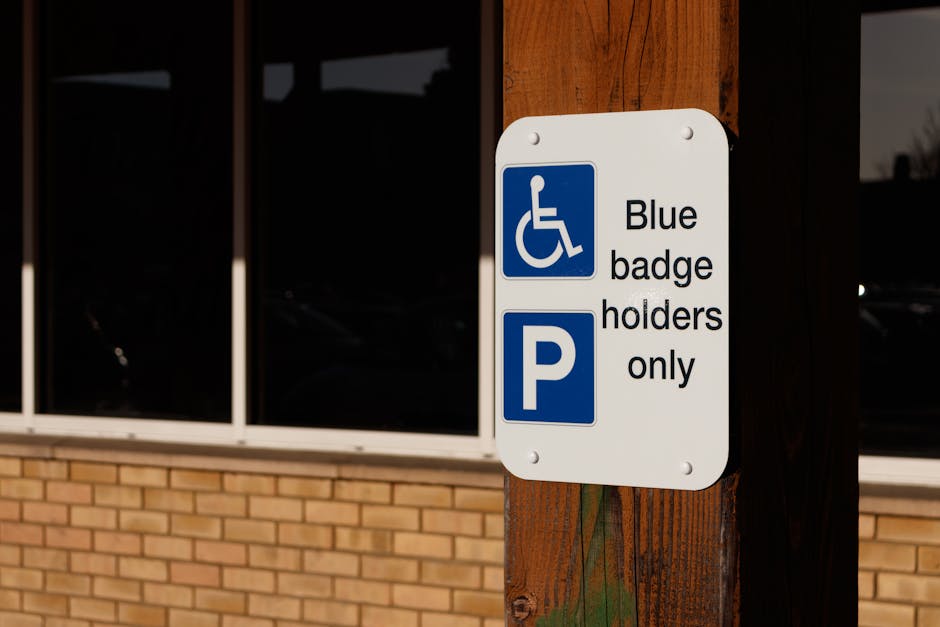
Avoid parking fines during Eastcote moves: permit guide
Posted on 18/06/2026
Moving day in Eastcote can feel straightforward right up until the van arrives and you realise the space outside your new or old home is tighter than expected. That is usually the moment parking restrictions stop being background noise and become the main event. If you want to avoid parking fines during Eastcote moves, a permit guide is not just helpful, it is one of those small bits of planning that can save a surprisingly big headache.
In practice, the issue is simple: loading, unloading, waiting, or leaving a van in the wrong place can lead to a ticket, a delay, or a move that turns frantic before lunch. The good news? With a bit of local planning, a clear permit check, and the right moving-day timing, you can keep things calm and legal. This guide walks through the moving parts in plain English, with practical steps, common mistakes, and a few Eastcote-specific realities that are easy to miss when you are busy packing boxes.
Why Avoid parking fines during Eastcote moves: permit guide Matters
Parking on move day is never just about convenience. In a place like Eastcote, where roads can be narrow, bays can be limited, and neighbours still need access, the wrong setup can create problems fast. A parking fine is the obvious risk, but it is not the only one. You can also end up with blocked access, stressed neighbours, a van that has to keep circling the block, and movers carrying furniture farther than they should. That last part matters more than people think.
When a move runs without a parking plan, the whole rhythm changes. Boxes get left in hallways. Furniture sits in the rain. The crew loses time. You lose energy. And if you are moving with a tight schedule, every extra ten minutes can snowball. To be fair, many people only look at the permit side once the vehicle is already outside the property. By then, it can be too late.
Eastcote moves also tend to involve different kinds of access. Flats, terraced homes, shared driveways, side roads, and near-station timing can all change what is practical. If you have not already done so, it is worth reading our guide on timing and access advice near Eastcote Station, because access pressure and parking pressure often show up together.
How Avoid parking fines during Eastcote moves: permit guide Works
The core idea is straightforward: before move day, you check what parking is allowed at each address, then arrange the right permission if a van needs to stop nearby for loading or unloading. Sometimes that means a resident bay, sometimes a loading bay, sometimes a temporary suspension, and sometimes simply choosing a lawful place with enough space and time to work safely. The exact method depends on the street, the time, and the length of stay.
A good permit plan usually starts with these questions: Is the van staying parked or just stopping briefly? Is it blocking a bay or sitting in a controlled area? Are there restrictions at certain hours? Is there enough room for the rear doors to open and for furniture to move in and out safely? Those details sound small, but they are the difference between a smooth morning and a very annoying envelope later in the week.
In most cases, the move should be treated as a short operational window, not as general parking. That means your plan needs to cover arrival time, loading time, handover time, and a backup if the space is taken. If the property is a flat or has awkward internal access, this becomes even more important. Our Eastcote staircase moving checklist is a useful reminder that the hardest part is not always the van; sometimes it is the route from front door to boot.
One practical point people often miss: a permit is not the same thing as a guarantee of perfect parking. It is a permission framework. You still need to park responsibly, avoid blocking dropped kerbs, and keep access clear for pedestrians and neighbours. A permit helps, but it does not remove common sense. Annoying, but true.
Key Benefits and Practical Advantages
There is a clear upside to sorting parking early. The most obvious benefit is avoiding fines, but the real value goes beyond that. A permit plan makes the move more predictable, and predictable moves tend to be safer, quicker, and less tiring. When the van is close to the entrance, heavy items can be carried with fewer awkward turns and less lifting strain.
That matters if you are moving furniture, boxed kitchenware, or anything bulky and unforgiving. If you are shifting a sofa, bed, or dining table, every extra metre from door to vehicle adds effort. You may find it helpful to pair your parking plan with our practical advice on moving beds and mattresses, because large items and parking access are tightly linked.
Here are the main advantages in plain terms:
- Lower risk of fines: you are less likely to park in a restricted bay or overstayed zone.
- Faster loading and unloading: the van can stay close to the property.
- Less physical strain: fewer long carries mean less lifting and fewer mishaps.
- Less disruption for neighbours: people can still get past without grumbling under their breath.
- Better planning: you can schedule movers, keys, and handover around known access limits.
There is also a quieter benefit: peace of mind. You do not have to keep checking the windscreen every few minutes or wondering whether someone has already phoned in a complaint. On a moving day that already has enough moving parts, that is worth a lot.
Who This Is For and When It Makes Sense
This guide is for anyone moving in Eastcote who expects a van to stop near the property, even if only briefly. That includes house moves, flat moves, student moves, office relocations, and same-day moves where the schedule is tighter than you would like. If the vehicle is larger than a car and the street is not obviously open for unrestricted stopping, you should assume some kind of parking planning is needed.
It makes especially good sense for:
- people moving from or into roads with limited bay space
- flats where the van cannot pull onto private land
- moves near busier routes or station-adjacent streets
- households with multiple large items
- anyone moving at weekends, when spaces can be scarce
- people using a man and van Eastcote style service for a fast turnaround
If you are moving a piano, the parking question becomes even more sensitive, because the load-in and load-out need more space, more time, and much more care. It is worth reading piano moving realities if you have anything unusually heavy or delicate on the move.
For smaller student moves, the same logic still applies, just at a different scale. A quick stop in the wrong place can still trigger a penalty. If that sounds like your situation, our student removals Eastcote page may help you plan for a lighter but still time-sensitive move.
Step-by-Step Guidance
Here is the simplest way to handle parking permits and restrictions without making the process more complicated than it needs to be.
- Check both addresses early. Do not just inspect the new home. The old address matters too, and the rules can differ.
- Look for controlled parking signs. These will often tell you where stopping is restricted, when bays operate, and whether loading rules apply.
- Work out vehicle size and dwell time. A small van and a large removal vehicle can be treated differently in practice, even if both are just "for a move."
- Decide whether you need a permit or a bay plan. Some streets need a specific permit, while others need a temporary arrangement or a lawful loading strategy.
- Build in a time buffer. Aim for a window that allows for delays, missed parking spaces, or a neighbour's car being in the way.
- Prepare the items before the van arrives. The less time spent hunting for tape or wrapping last-minute plates, the better.
- Keep documentation handy. If a permit is issued, store details where the driver can access them quickly.
- Brief everyone involved. The mover, the driver, and anyone helping should know where the vehicle can stand and what to do if the best spot is taken.
A practical trick is to photograph the kerb space and nearby signage the day before. It sounds a bit overcautious, but in a real move, being able to see the site clearly later can help you remember whether there was enough width for a van to stop legally. Small thing. Useful thing.
While you are planning, do not forget the building itself. A smoother route from van to front door reduces time on the street. Our post on door protection tips for moving is a handy companion if you are worried about knocks, scrapes, or just the general chaos of furniture in motion.
Expert Tips for Better Results
In our experience, the best parking plans are the boring ones. Nothing dramatic, nothing improvised at 7:45 a.m., no last-minute sprint around the block looking for a gap. Good planning often looks unexciting from the outside, which is exactly what you want.
Here are a few tips that genuinely help:
- Go earlier than you think. Move-day parking gets harder, not easier, as the day begins.
- Keep the load path short. Even a few extra steps matter when carrying wardrobes or boxed books.
- Match the van to the job. A vehicle that is too large can create unnecessary access trouble, while one that is too small can lead to more trips. Neither is ideal.
- Use stacked timing wisely. If one address has tighter access than the other, plan the more complicated stop first while everyone is fresh.
- Think about weather. Wet pavements, drizzle, or wind can slow loading and make parking pressure worse because everything takes longer.
- Do not assume loading always means free stopping. That is one of the most common mistakes people make.
If you are managing bulky household items, the parking plan becomes part of the lifting plan. For example, moving a heavy sofa from a first-floor flat is much easier when the van is actually where it should be, not halfway down the road. If that sounds familiar, have a look at safe heavy lifting advice and our furniture support information at furniture removals Eastcote.
One more small but useful point: if you are moving valuable or fragile items, do not let parking stress rush the process. Quick feet are fine; rushed hands are not. That is especially true for specialist items, where our piano removals Eastcote service page explains why patient handling matters as much as vehicle position.
Common Mistakes to Avoid
Most moving parking problems are not dramatic failures. They are small, preventable oversights. The kind that seem harmless until they are not.
- Leaving permits until the last minute. This is the big one. If permission is needed, last-minute often means no-margin.
- Only checking one address. A permit or loading plan for the old home does not automatically cover the new one.
- Assuming a "quick stop" is harmless. Quick stops can still attract penalties in restricted areas.
- Ignoring local signage. The sign on the street beats assumptions every time.
- Blocking access points. Dropped kerbs, driveways, and shared entrances need a bit of respect.
- Forgetting the unloading sequence. If the van is parked legally but chaos erupts because the boxes are not ready, you still lose time.
- Using a huge vehicle for a tiny street. Bigger is not always better. Sometimes it is just harder to place.
Another common one is poor communication with neighbours or building managers. A quick note or a polite heads-up can prevent a lot of tension. Not every problem needs a formal process, but a little courtesy usually goes a long way. London streets already have enough moving traffic without your van becoming the new centre of everyone's irritation.
Tools, Resources and Recommendations
You do not need a giant toolkit to get this right. You need a few reliable checks, a clear plan, and the right supporting services. If you are handling a full house move, a sensible combination of packing help, moving support, and storage options can reduce street time and make parking less pressurised.
Useful things to have ready include:
- a written move schedule with arrival and loading times
- photos of both street layouts
- a checklist for keys, permits, and parking notes
- packing materials ready well before move day
- contact details for whoever is coordinating the van
- a backup plan if the nearest legal space is occupied
For the packing side of things, our packing techniques guide is a good companion piece. It helps reduce the stop-start rhythm that often causes delays on the pavement.
If you are still decluttering, sorting storage, or shifting items you do not need immediately, it may also help to read decluttering before moving and storage Eastcote. Fewer items on move day usually means less time spent loading on the street, which in turn makes parking easier to manage. Simple, really.
And if your move involves disposal as well as transport, think ahead about waste handling. Parking can become chaotic if old furniture or bagged rubbish is left to sort out at the last moment. Our article on bulky waste in Eastcote is worth a look for that exact reason.
Law, Compliance, Standards, or Best Practice
Parking and loading rules are not something to guess at. In the UK, local streets are usually governed by council-controlled restrictions, signs, bay markings, and local traffic rules. Exact arrangements vary by location and by road, so the safest approach is to treat the signage and any issued permission as the final word for that street.
For moving purposes, best practice is usually about three things: lawful stopping, clear access, and reasonable care. That means not leaving a van where it causes danger or obstruction, not treating loading bays as free-for-all spaces, and not assuming that a busy moving schedule overrides local restrictions. It does not. The street does not care how tired you are, sadly.
If a property has shared access, flats, or communal parking, the expectations can be stricter because other residents and service vehicles need room to pass. In those situations, written permission from the appropriate manager or landlord may be part of the process, alongside any parking arrangement. If you are using a professional team, it is sensible to review their approach to health and safety and insurance and safety, because parking risk and lifting risk often overlap.
Best practice also includes keeping move-day notes, making sure the driver understands the route, and choosing a schedule that avoids peak street congestion where possible. It sounds almost too basic to mention, but basic planning is usually where the good outcomes come from.
Options, Methods, or Comparison Table
There are a few ways to manage parking during an Eastcote move. The right one depends on the street, the size of the vehicle, and how much time you have.
| Method | Best for | Strengths | Limitations |
|---|---|---|---|
| Pre-arranged parking permit | Controlled streets and planned moves | Most predictable, easier to organise | Needs lead time and correct details |
| Short lawful loading stop | Quick moves with minimal items | Simple if signage permits it | Time-limited and easy to get wrong |
| Private driveway or forecourt | Properties with their own space | Best access, least street disruption | Not available to everyone |
| Nearby legal parking with trolley carry | Tighter roads or blocked direct access | Flexible fallback option | Longer carry, more labour, more time |
In real life, people often end up using a mix. For example, you might secure the closest practical spot for loading, then use a nearby lawful space for the longer staging part of the move. That is often much better than aiming for perfection and ending up nowhere. If you need a broader move plan, our removal services Eastcote page gives a wider picture of how different moving jobs can be handled.
Case Study or Real-World Example
Here is a realistic Eastcote-style scenario. A family is moving from a flat on a street with limited daytime parking. They have a wardrobe, a bed, several boxes, and a couple of awkward kitchen items. At first, they assume the van can simply stop outside for an hour. That assumption is exactly where trouble usually starts.
Instead, they check the street restrictions the day before, note that one side is controlled at certain hours, and arrange a plan that allows the van to load from the least restricted side of the road. They also stage boxes by the front door the night before, which cuts the loading time down a lot. The difference is noticeable. The move starts earlier than planned, but it stays calm. No ticket. No arguments. No panicked run for the keys while the driver circles the block.
Now compare that with a less organised approach. In that version, the van arrives, the nearest space is taken, someone tries a "just five minutes" stop in a restricted bay, and suddenly the whole day has an undercurrent of stress. Even if no fine actually appears, everyone moves more awkwardly. The body feels it. The mood changes. You can hear the difference, honestly.
That is why parking planning is not a side issue. It is part of the move itself.
Practical Checklist
Use this checklist as a final pre-move sweep. It is deliberately simple, because complicated checklists tend to be ignored at 6 a.m.
- Check parking restrictions at both addresses.
- Confirm whether a permit, loading bay, or private space is needed.
- Note the move time and any restricted hours.
- Measure access if the street feels tight or awkward.
- Tell the driver where to stop and where not to stop.
- Prepare boxes and bulky items before the van arrives.
- Keep hallways, doors, and paths clear.
- Have a backup parking plan in case the first space is taken.
- Protect doors, walls, and flooring before heavy items move through.
- Review any insurance, safety, or building access requirements.
- Confirm keys, handover timing, and arrival order.
If you want to make the day feel more controlled, combine this with a calmer moving routine from making your move calm and organised. A good parking setup supports a good moving rhythm. They really do go together.
Conclusion
Avoid parking fines during Eastcote moves by treating parking as a key part of the move plan, not a last-minute detail. Check restrictions early, decide whether you need a permit or a lawful loading approach, stage your items properly, and leave enough time for the van to work close to the property. It is one of those tasks that looks small on paper and feels huge if you get it wrong.
Truth be told, most moving stress comes from uncertainty. Once the parking side is under control, the rest of the day usually feels more manageable. The boxes still need carrying, the kettle still goes missing for a while, and there is always one item nobody can find, but at least the van is where it should be.
For a smoother move overall, you can also explore related support such as removals Eastcote, house removals Eastcote, and flat removals Eastcote if your move involves a more specific property type. The right planning makes the whole thing feel less like a scramble and more like a proper handover.
Get a free quote today and see how much you can save.