Vicarage Road Eastcote: staircase moving checklist
Posted on 15/05/2026
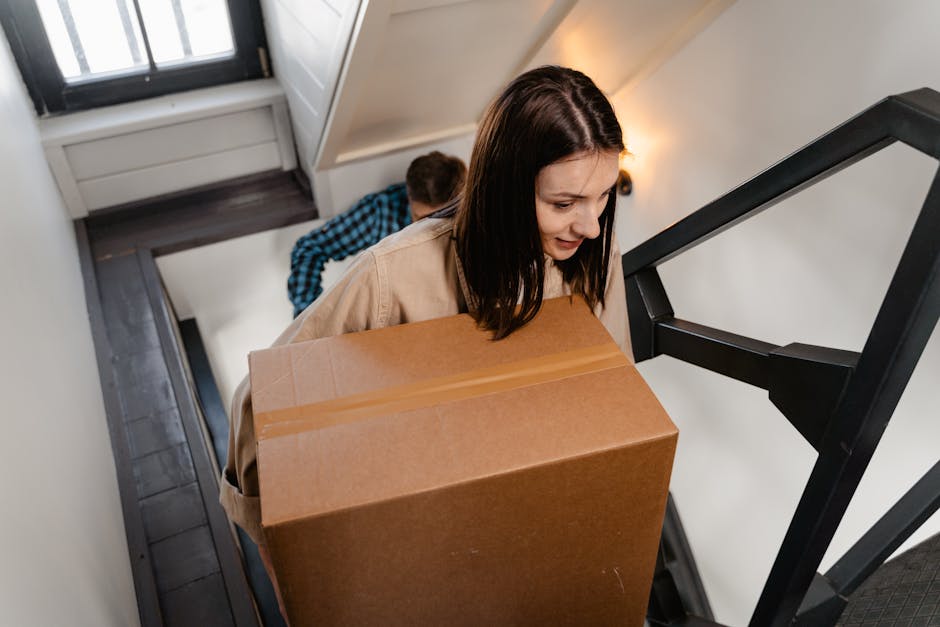
Staircases can turn an ordinary move into a bit of a puzzle. A sofa that looked perfectly manageable in the living room suddenly feels impossible on the landing, and a wardrobe can catch on a banister at the worst moment. If you are planning a move on or around Vicarage Road in Eastcote, a staircase moving checklist helps you stay calm, protect the property, and avoid those awkward last-minute surprises.
This guide is written for real moving days, not idealised ones. You will find a practical walkthrough of how to prepare, what to measure, which protective materials actually matter, and when to bring in extra help. A good staircase move is not just about strength. It is about planning, timing, and making the route safe enough to work with. To be fair, that is usually where the stress disappears.
Along the way, we will also link out to related resources on packing, lifting, safety, and Eastcote services so you can build a proper moving plan rather than patching things together at the last minute.

Why Vicarage Road Eastcote: staircase moving checklist Matters
Staircases create a very specific kind of moving risk. They narrow your space, reduce visibility, and force you to change angle and grip while carrying heavy or awkward items. One small misstep can chip a wall, scratch a banister, strain a back, or damage the item you were trying so hard to protect.
On roads like Vicarage Road, where homes can vary in layout, stair width, and landing shape, preparation matters even more. Some properties have tight turns, older balustrades, or shallow stair runs that are forgiving for people but not so kind to bulky furniture. A checklist gives you a repeatable method. That means fewer decisions in the moment, and fewer chances to guess wrong when everyone is standing in the hallway holding a mattress and looking at each other.
It also matters because staircase moves often happen under pressure. Maybe you are between tenancy dates, trying to hand back keys the same day, or coordinating with a removal van booked for a narrow time window. In those situations, a checklist is not just organisational fluff. It is a practical control tool.
If you are still at the planning stage, it can help to read broader guidance on staying organised, such as how to make your move calm and organised and decluttering before you move. Those two steps reduce the number of items that ever need to travel up or down the stairs in the first place.
How Vicarage Road Eastcote: staircase moving checklist Works
The checklist works by splitting the move into stages: inspect, measure, protect, lift, move, and check again. It sounds simple because, honestly, it should be. The trouble usually starts when people skip one stage and assume the staircase will "just be fine". It often isn't.
Start by looking at the stair route with fresh eyes. Not as the person who walks it every day, but as someone carrying a large object. Where does the handrail protrude? Is there a low ceiling near the landing? Can the item angle around the turn without scraping the wall? These are small details, but they decide whether a move is smooth or messy.
Next, measure the awkward stuff. Stair width, landing depth, headroom, the width of bulky items, and the length of anything rigid, such as wardrobes, mattresses, or bed bases. If you are moving a particularly awkward item, the route can matter more than the item itself. A piece may be light enough, yet still fail because it simply cannot pivot through the turn.
Then comes protection. Stair rails, banisters, corner edges, door frames, and floor coverings all need attention. For more detailed protection ideas, see door protection tips for moving. That advice translates well to stairwells too, because the same kinds of contact points tend to get hit first.
After that, the move becomes a controlled sequence: clear the route, communicate clearly, lift correctly, and pause if needed. The best moving teams do this almost rhythmically. You move, stop, check clearance, then continue. Nothing rushed. Nothing heroic. Just steady progress.
Key Benefits and Practical Advantages
A proper staircase checklist delivers more than peace of mind. It improves efficiency, protects surfaces, and reduces the kind of strain that can linger for days after the move.
- Less damage risk: You reduce scuffs, dents, and knocks to walls, banisters, and furniture edges.
- Better safety: Clear routes and planned lifting lower the chance of slips, awkward twists, and dropping items.
- Faster decision-making: Nobody has to improvise at the landing while holding a heavy object.
- More efficient loading: You can sequence items in the right order and avoid repeated trips.
- Less stress: A checklist gives people something to follow when the morning feels chaotic.
There is also a financial angle, though it is less dramatic. Damage to walls, stair rails, or furniture can quickly become costly, even if the damage looks minor at first. A small gouge in a painted wall or a split wardrobe corner can be annoying to repair. Good planning reduces that risk.
If the move involves heavier household items, it is worth reading about moving a bed and mattress and furniture removals in Eastcote. Those pages fit neatly with staircase planning because beds, sofas, and wardrobes are the usual troublemakers.
Who This Is For and When It Makes Sense
This checklist is useful for almost anyone moving through a staircase, but it is especially helpful if the route is tight, the furniture is large, or you are working with limited help. Think flats, terraced homes, maisonettes, and older properties where stair geometry is less generous than modern builds.
It also makes sense if you are moving under time pressure. Student moves, same-day relocations, end-of-tenancy handovers, and office or flat transitions all tend to compress the schedule. In those cases, a structured staircase plan can stop a small snag from ruining the whole day. If that sounds familiar, you may also want to explore student removals in Eastcote and same-day removals support.
It is also relevant for people handling specialist or awkward items. Pianos, for example, are a different level of problem entirely. They are heavy, delicate, and often unforgiving on stairs. If that is part of your move, the overview on piano removals Eastcote is well worth reading before you try to brute-force anything. Truth be told, stairs and pianos are not a casual combination.
And if you are the person trying to do too much with too little help, pause here. This kind of move is exactly where extra support earns its keep. There is no medal for being stubborn on a staircase.
Step-by-Step Guidance
Below is a practical staircase moving sequence you can use on Vicarage Road or anywhere with a similar layout. It is designed to be simple enough for real life, not perfect conditions.
1. Walk the route before anything is lifted
Start with a full visual inspection. Go from room to stairwell to landing and back again. Look for trip hazards, loose rugs, protruding nails, low lights, and corners that could snag fabric or boxes. If the route feels cramped when you are empty-handed, it will feel smaller once you are carrying a sofa.
2. Measure the awkward dimensions
Record the width of the staircase, the landing depth, the headroom, and the size of the furniture. Measure the longest side of the item and compare it with the narrowest point on the route. A tape measure and five minutes can save a very long afternoon.
3. Protect surfaces before moving starts
Cover floors where practical, pad corners, and wrap edges that could get knocked. Banisters and doorframes deserve special attention. If you want a more detailed look at materials and wrapping methods, these packing techniques can help you prepare the item itself before it reaches the stairs.
4. Break the move into manageable loads
Do not force everything into one "big move" if the staircase clearly says no. Smaller loads are safer and easier to control. A box that feels light on the floor can become awkward if you cannot see past it on the stairs. Sometimes the boring option is the smart one.
5. Use the right carrying method
Keep loads close to the body, move slowly, and communicate constantly with the person below or above you. If an item needs to be tilted, rotate it only when the route allows it. On stair turns, one person should call the pace. "Hold," "turn," and "stop" are more useful than a long explanation halfway through the landing.
6. Pause at the danger points
The tightest part of the route is usually the landing or the first bend. Stop there. Check where fingers, corners, and feet are going. It sounds cautious because it is cautious. That is the point.
7. Secure items in the van properly
Once the furniture clears the stairs, the job is not over. Items should be positioned so they do not roll, slide, or lean into each other during transit. If you are using a removal van in Eastcote, make sure the load is balanced and tied down sensibly.
8. Do a final route check after each large item
Stairs often collect debris as the move goes on: dust, packaging bits, and little scuffs that can become slippery if ignored. A quick reset after every major item keeps the whole operation safer.
Expert Tips for Better Results
There are a few practical habits that make staircase moves noticeably easier, and most of them are unglamorous. But then moving rarely rewards glamour, does it?
- Plan the item order in advance. Put the most awkward objects first or last depending on the staircase shape and the amount of help available.
- Use proper gloves. Good grip matters, especially if you are carrying boxes with smooth tape or furniture with tricky finishes.
- Keep one person free if possible. Having someone guide from above or below can prevent clipping the wall at the turn.
- Remove detachable parts. Table legs, cushions, shelves, and handles make a huge difference when space is tight.
- Protect the item and the property equally. It is easy to focus on the sofa and forget the painted wall inches from your elbow.
One useful mindset shift is to think of the staircase as a route, not just a feature of the house. That means every step, turn, and landing is part of the job. If one section looks risky, it may be worth changing the item route, not just pushing harder.
For people moving on their own, the guidance in safe heavy lifting alone is worth a look, although the honest answer is that some stairs really do call for help. Also, if the day feels overwhelming before the first box is even picked up, the calm-planning advice in make your move calm and organised can reset the tone.
And yes, take a sip of water. People forget that part.
Common Mistakes to Avoid
Most staircase mistakes are not dramatic. They are small, avoidable decisions that stack up. The problem is they tend to happen when people are tired and in a hurry.
- Not measuring properly: Guessing stair width or furniture size is the easiest way to create a blockage.
- Skipping protection: Bare walls and untreated corners are asking for scuffs.
- Trying to carry too much at once: That one extra box can ruin balance.
- Poor communication: If two people move at different speeds, the item twists.
- Ignoring the landing: Many accidents happen on the turn, not on the straight stairs.
- Forgetting floor grip: Socks and smooth shoes are not ideal when you need traction.
A quieter mistake is emotional, not physical: people assume asking for help means they have failed to manage the move themselves. It does not. It means they have noticed the layout and responded sensibly. That is the better move, every time.
If you are also clearing out, cleaning, or putting things into storage, it helps to get those decisions out of the way early. See move-out cleaning guidance and storage options in Eastcote if you need items taken off-site rather than forced through a narrow stairwell.
Tools, Resources and Recommendations
You do not need a warehouse of equipment, but a few sensible tools make a huge difference.
| Tool or Resource | What it Helps With | Why It Matters on Stairs |
|---|---|---|
| Tape measure | Checking width, height, and clearances | Prevents guesswork at tight turns |
| Furniture blankets | Surface protection | Reduces scrapes and corner damage |
| Straps or lifting aids | Improving control and grip | Helps stabilise bulky items |
| Protective gloves | Better handhold and grip | Useful for taped boxes and awkward edges |
| Corner guards or padding | Shielding walls, banisters, and frames | Very useful on narrow stairways |
For broader packing support, the article on packing and boxes in Eastcote is a good companion piece. It is especially useful if your staircase is only one part of a longer move and you want the whole operation to feel coordinated.
If your move includes awkward specialist items, it can also be worth checking the full services overview so you can match the job with the right level of support. Sometimes the best tool is simply the right kind of help.
For anyone comparing service levels or trying to keep the move within budget, pricing and quotes will usually be the next sensible stop.
Law, Compliance, Standards, or Best Practice
For a residential staircase move, there is not usually a single legal checklist that covers every situation. Still, there are sensible UK best-practice expectations around safety, access, and care. If a mover is working professionally, they should use suitable equipment, avoid reckless handling, and take reasonable steps to prevent damage or injury.
In practical terms, that means the move should be planned rather than improvised. It also means keeping pathways reasonably clear, making sure any lifting is safe for the people involved, and using suitable protection where needed. If a stairwell is especially tight, the right answer may be to dismantle furniture, choose a different route, or use specialist handling rather than forcing the issue.
Professional movers should also be transparent about what is covered, what is not, and how claims or complaints are handled. If you want a better feel for that side of the service, see insurance and safety information alongside the health and safety policy and terms and conditions.
There is also a basic accessibility consideration. Stair moves can be physically demanding, and not every property is equally easy to navigate. If you are already dealing with mobility limits, recent injury, or just an especially awkward layout, it is sensible to plan around those realities rather than pretending they do not exist.
Options, Methods, or Comparison Table
Different staircase moves call for different approaches. The right method depends on the item, the space, and the number of people helping. Here is a simple comparison that can guide the decision.
| Method | Best For | Pros | Trade-offs |
|---|---|---|---|
| Two-person carry | Boxes, small furniture, lighter household items | Simple, quick, easy to coordinate | Not ideal for large or awkward turns |
| Team lift with spotter | Bulky furniture and narrow stairwells | More control, safer on turns | Needs clear communication and space |
| Disassembled move | Wardrobes, beds, tables, modular furniture | Much easier through tight stairs | Requires tools and reassembly time |
| Specialist handling | Pianos, fragile antiques, unusually heavy items | Best protection and control | Usually costs more, but often worth it |
For many Eastcote moves, a mixed method works best. A couple of easy boxes can go by hand, larger items can be dismantled, and anything unusual can be handled by specialists. That is a normal, sensible approach rather than a sign that the move is too hard.
If your move is a flat-based one with stairs as the main access route, the page on flat removals in Eastcote may also help you think through the right method.
Case Study or Real-World Example
Here is a realistic example based on a common local scenario. A couple moving from a first-floor property near Vicarage Road had a wide sofa, a bed frame, several medium boxes, and a heavy chest of drawers. The staircase had a tight turn midway up, and the landing was just large enough for one person to pause, not two.
They started well enough, but the sofa was the problem. It could not take the turn in its assembled form. Rather than forcing it, they stepped back, removed the feet, protected the banister with blankets, and rotated the sofa more slowly with one person guiding from below. The move took longer than they hoped, but the walls stayed clean and nobody strained themselves. Small victory, really.
What made the difference was not strength. It was patience and route awareness. They also packed the boxes more neatly after reading about better packing techniques, which meant the lighter items stacked more safely in the van and required fewer trips up and down.
The same move would have looked very different if they had tried to carry the sofa first, without measuring, and without covering the banister. That is how staircase moves usually go wrong: not in one dramatic moment, but in a chain of small preventable choices.
Practical Checklist
Use this checklist on the day of the move, or the evening before if you want a calmer start. It is intentionally practical and a little plain. That is a good thing.
- Measure staircase width, landing size, and any tight turns.
- Measure bulky furniture and compare dimensions to the route.
- Remove rugs, clutter, and trip hazards from stairways and landings.
- Protect banisters, wall corners, doorframes, and floor edges.
- Pack boxes evenly and avoid overfilling them.
- Disassemble furniture where possible before attempting the stairs.
- Assign one person to call directions and pace.
- Use gloves, sturdy footwear, and sensible lifting technique.
- Move one item at a time, especially on landings and turns.
- Pause at awkward angles and check clearance before continuing.
- Secure items properly in the van after they leave the property.
- Do a final sweep for scuffs, debris, and forgotten items.
Quick expert summary: if the staircase looks awkward empty, treat it as a narrow technical route, not a casual hallway. Measure first, protect surfaces, break down bulky items, and keep communication simple. That approach saves time and reduces stress, which is what most people actually want on moving day.
If you want help turning this into a move that feels controlled rather than chaotic, start with a clear plan and book the right support early. Get a free quote today and see how much you can save.
Conclusion
A staircase move in Eastcote does not need to become a drama. With the right checklist, the right tools, and a realistic view of the route, you can move furniture safely and keep the house in good condition. The key is to prepare for the staircase as it actually is, not as you hope it might behave.
That is especially true on routes where turns are tight, items are bulky, or time is limited. A measured approach protects the property, helps the move finish on schedule, and gives everyone involved a much better day. And honestly, there is something quietly satisfying about getting a difficult item up or down a staircase without a single scrape. It feels good.
For more help with related moving needs, you may also want to explore removals in Eastcote or man with a van services if you need a practical local solution that fits the job.