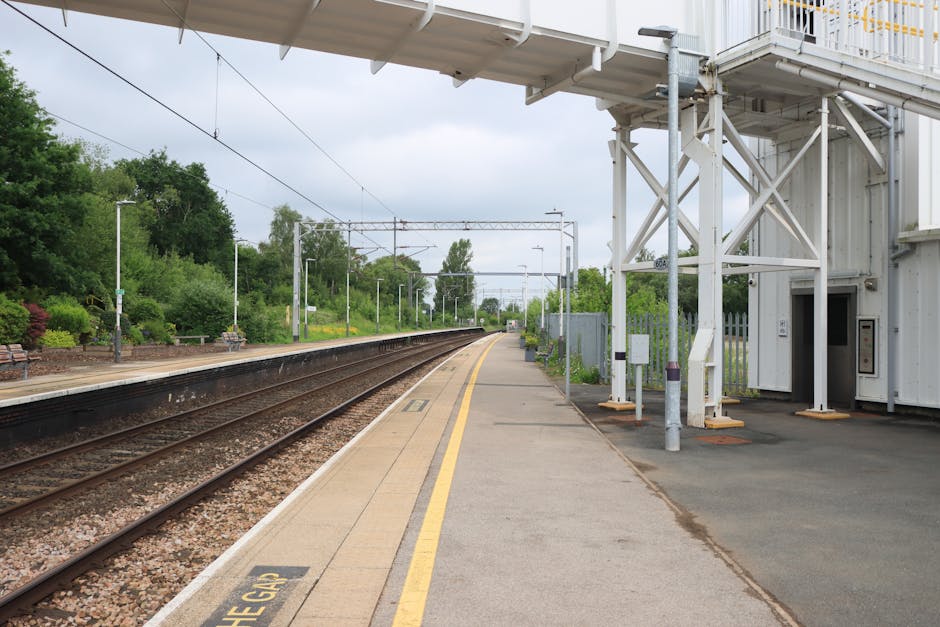
Moving near Eastcote Station? Timing and access advice
Posted on 26/05/2026
If you are planning a move near Eastcote Station, timing and access can make the difference between a calm move and a slightly chaotic one. Narrow streets, busy commuter periods, shared driveways, awkward kerbs, and the simple fact that people still need to get to the platform can all affect how your move goes. The good news? A bit of planning goes a long way.
This guide explains how to choose the best moving time, handle access around the station area, and reduce delays on the day. It also covers practical packing, loading, and local decision-making tips so you can move with less stress and fewer surprises. Truth be told, the best moves often look boring from the outside. That is usually a good sign.
Why Moving near Eastcote Station? Timing and access advice Matters
Moving near a station is not the same as moving on a quiet residential cul-de-sac. Eastcote Station draws commuters, delivery vans, buses, pedestrians, and the usual morning rush. If your van arrives at the wrong moment, it can take longer to park, harder to load safely, and more stressful to keep doors, neighbours, and passengers out of each other's way.
Timing matters because the local road environment changes through the day. Early mornings can be ideal for avoiding traffic, but they may overlap with school runs or commuter pressure. Midday can be easier for access, though you may need to work around building management rules, lift availability, or permit windows. Evening moves can feel convenient, but darkness, fatigue, and tighter time limits tend to creep in. Let's face it, moving boxes at 7pm is rarely anyone's idea of fun.
Access matters just as much. A short walking distance from the van to the property sounds manageable until you realise the route includes stairs, a narrow hallway, a steep kerb, or a blocked entrance. In our experience, even a "simple" move can become awkward if the unloading route has not been checked properly. This is why local knowledge and a realistic move plan are so useful.
For anyone arranging a domestic or office move in the area, it also helps to think beyond the day itself. Packing, decluttering, and furniture protection all affect how quickly you can load and unload. If you want a calmer start, have a look at how to make your move feel organised rather than rushed, and why decluttering before the move pays off.
How Moving near Eastcote Station? Timing and access advice Works
The basic idea is simple: you match your moving schedule to the least disruptive time, then plan the access route so the van, the property entrance, and the load itself all work together. But simple does not mean careless. A move near the station is really a logistics exercise with a few local quirks.
Start by mapping the journey from van to front door. Ask yourself: where will the vehicle stop, how far is the carry, are there steps or a lift, and can anything be reserved or cleared in advance? If a building has shared access, that can affect the order in which items come out. Large furniture may need to go first so it is not trapped behind box stacks later. Small detail, big difference.
Then think about timing in layers:
- Traffic timing: avoid the heaviest local congestion where possible.
- Building timing: align with lift access, concierge hours, or keys handover.
- Street timing: consider when kerbside space is usually easier to find.
- Team timing: make sure everyone knows when to arrive, not "around morning-ish".
If you are moving larger items, route planning becomes even more important. A sofa, wardrobe, or piano can take an extra few minutes to turn, tilt, and carry through a narrow entrance. That is where a specialist service can make the day feel much smoother. For instance, if you need help with heavier furniture, furniture removals in Eastcote can be a practical fit, while delicate instruments may call for piano removals in Eastcote.
There is also a difference between planning for a house move and a flat move. Flats often mean stairs, lifts, parking restrictions, and more shared access points. If that sounds familiar, flat removals in Eastcote are worth considering because the move needs to be organised around the building, not just the van.
Key Benefits and Practical Advantages
Good timing and access planning bring more than just convenience. They can protect your belongings, reduce physical strain, and save money by cutting avoidable delays. That sounds obvious, but on a moving day, obvious things are often the first to get forgotten.
Here are the main benefits:
- Less waiting time: the van is not circling while you hunt for space.
- Safer lifting: shorter carry distances mean less chance of slips or awkward turns.
- Better neighbour relations: less blocking, less noise at awkward times, less irritation all round.
- Lower damage risk: fewer rushed moves through tight spaces and door frames.
- More predictable costs: fewer delays can mean less paid time spent standing around.
There is another benefit that people often underestimate: mental breathing room. When the van arrives at the right time and access is sorted, the whole day feels less frantic. You can focus on checking rooms, directing furniture, and keeping fragile items separate instead of firefighting problems that should have been avoided.
If you want to reduce the chance of damage during loading, it is worth reading up on simple door protection tips for moving. Likewise, packing quality matters more than most people expect, which is why better packing techniques can have a real impact on the speed and safety of the move.
Practical takeaway: the cleaner the access route, the smoother the move. It really is that plain.
Who This Is For and When It Makes Sense
This advice is useful for anyone moving close to Eastcote Station, but it becomes especially valuable in a few situations. If your move involves a flat, a shared entrance, limited parking, or any item that needs careful handling, access planning should be part of the conversation from the start.
This is especially relevant for:
- Homeowners moving into or out of a property near the station
- Tenants with tight checkout times and building access limits
- Students shifting between rooms, halls, or local rentals
- Office teams relocating small workspaces or equipment
- People using a man and van service for a same-day or short-notice move
If you are on a deadline, the timing question becomes even more important. For example, if keys are handed over at lunchtime and you need the place cleared by late afternoon, you probably do not want to lose an hour to avoidable parking issues. In that case, something like same-day removals in Eastcote may be a sensible option.
Students and renters often face the most awkward timing windows because they are working around term dates, fixed move-out slots, or building rules. If that sounds like you, student removals in Eastcote can be a practical match. For smaller, flexible jobs, a man and van in Eastcote is often enough. For bigger or more complex moves, a fuller removal service in Eastcote may save time and stress.
Step-by-Step Guidance
Here is a clear way to plan a move near the station without getting lost in the details. You do not need a perfect system. Just a sensible one.
- Check the property access first. Find out where the van can stop, whether there are height restrictions, and whether any entrances need to stay clear.
- Match the move to a realistic time window. Consider commuter traffic, building access rules, and how long loading is likely to take.
- Confirm parking or stopping arrangements. If you need to pause on a busy road, make sure you are not improvising on the day.
- Group items by priority. Put essentials, fragile items, and furniture in a loading order that makes sense.
- Protect the route. Door frames, floors, corners, and lifts can all take a beating if you are not careful.
- Keep walkways clear. Boxes in hallways slow everyone down and make the job feel much heavier than it is.
- Leave a buffer. Things often take longer than expected. A spare 20 minutes can feel like a miracle.
For packing support, a useful next step is packing and boxes in Eastcote, especially if you are still gathering materials. If your move includes beds or mattresses, the route can be fiddlier than people expect, so this bed and mattress moving guide is worth a look before lifting anything bulky.
One small but important point: do the awkward items first. If the staircase is narrow or the front path is tight, it is much easier to move the bulky things before boxes and loose clutter start building up. I know, it feels counter-intuitive. But it works.
Expert Tips for Better Results
Most moving problems near a station come from details that were assumed rather than checked. The best movers build a little slack into the plan and think in terms of the whole route, not just the address.
Tips that genuinely help:
- Visit the access route in advance if you can. A two-minute look can save a half-hour problem.
- Measure the awkward bits such as hallway width, lift size, and stair turns.
- Use proper lifting technique and do not try to be heroic for no reason.
- Protect the property as you go with covers, blankets, and corner protection.
- Keep essentials separate so you are not rummaging for keys, snacks, chargers, or paperwork later.
- Schedule heavier loading earlier while everyone still has energy.
If you are moving furniture with mixed sizes, it can help to read why heavy lifting alone is risky. And if you have a piano or a particularly awkward item, do not wing it. Really. A specialist approach, such as understanding the realities of piano moving, is often the safer route.
One practical local tip: if your building has a shared entrance or tight communal area, speak to neighbours or building management ahead of time. A quick heads-up can prevent someone blocking the doorway with a shopping trolley or a delivery parcel right when you need access. It happens more than you'd think.
And if you are trying to move with a calm head, not just a full van, you may also find it useful to review move-out cleaning advice so the final handover feels less rushed.
Common Mistakes to Avoid
Most of the headaches on moving day are preventable. The problem is, they look small when you are planning, then suddenly large when the van has arrived and everyone is watching the clock.
Try to avoid these mistakes:
- Assuming parking will just work out. Nearby station areas can be unpredictable.
- Booking too late in the day. Fatigue and fading daylight can make simple tasks harder.
- Underestimating loading time. Stairs, lifts, and narrow access all slow things down.
- Leaving packing unfinished. Half-packed rooms create confusion and slow the move.
- Ignoring fragile or awkward items. One badly placed object can hold everything up.
- Forgetting about the return trip. You may need to come back for keys, meters, or forgotten essentials.
A common one, and a slightly annoying one, is not checking whether the new place has any storage or access limitations. If you need temporary holding space while you sort the destination, storage in Eastcote can be a helpful bridge rather than forcing everything into the house immediately.
Another mistake is treating every move as identical. A flat above a shop near the station does not behave like a suburban driveway move. Different access, different timing, different risks. It sounds obvious, but people miss it all the time.
Tools, Resources and Recommendations
You do not need a mountain of equipment, but the right few tools can make a big difference. Basic moving kit is not glamorous, yet it saves time and bruised shins. Always a bonus.
Useful tools and materials:
- Sturdy removal boxes
- Packing tape and tape dispenser
- Bubble wrap or paper for fragile items
- Furniture blankets or covers
- Protective gloves for grip and safety
- Dolley, sack trolley, or hand truck where appropriate
- Door protection and floor coverings
- Labels, marker pens, and a simple room-by-room list
If you are still choosing how to organise the move, a look at the services overview can help you compare options. You may also want to check pricing and quotes early, especially if your schedule is tight or you are comparing more than one service type.
For peace of mind, it is sensible to review practical policies too. A move is not just about the lift and carry; it is also about confidence in the process. The pages on insurance and safety and health and safety policy are useful reading if you want to understand how a professional mover approaches risk.
If your move has a sustainability angle, perhaps because you are reducing waste or reusing materials, the recycling and sustainability page can help you make a more responsible choice. Not every move needs a grand eco-plan, but reusing boxes and avoiding unnecessary waste is a good start.
Law, Compliance, Standards, or Best Practice
For a local move near Eastcote Station, the main compliance issues are usually practical rather than legal drama. That said, it is wise to stay mindful of parking rules, loading restrictions, building access terms, and general health and safety expectations. If you are using public roads or stopping near a busy station area, the vehicle should be positioned responsibly and in line with local traffic conditions and any applicable restrictions.
If you live in a managed block or rented property, check any move-in or move-out requirements in advance. Some buildings have booked lift slots, protected floor rules, or set hours for noisy activity. Others may ask for advance notice so shared areas are kept clear. These are not unusual demands; they are just part of coordinating access in a shared space.
From a safety point of view, the best practice is straightforward:
- Lift safely and do not overreach.
- Use the right equipment for heavy or awkward items.
- Keep routes well lit and free from trip hazards.
- Protect the property and any common areas.
- Stop and reassess if an item feels unsafe to move.
If you are hiring help, it is sensible to work with a team that is clear about terms, payment, and expectations. You can review payment and security information, along with the terms and conditions, before confirming anything. And if something does go wrong, it helps to know there is a clear complaints procedure rather than guesswork.
For readers who want to understand the company background as well, about us gives some helpful context.
Options, Methods, or Comparison Table
There is no single right way to move near the station. The best method depends on the size of the property, the amount of furniture, the available access, and how much you want to handle yourself. Here is a simple comparison to help you decide.
| Option | Best for | Strengths | Watch-outs |
|---|---|---|---|
| Man and van | Small to medium moves, short distances, flexible loads | Quick, practical, often easier for local access | May be less suitable for larger or more complex moves |
| Full removal service | Larger homes, multiple rooms, time-sensitive moves | More support, more structure, less lifting for you | Needs clearer scheduling and preparation |
| Same-day removal | Urgent moves or tight handover deadlines | Fast response, can reduce waiting around | Availability may be limited, so booking quickly matters |
| Self-move with hired van | Very budget-focused moves with plenty of help from friends | Flexible and cheaper in some cases | More strain, more risk, and a higher chance of delay |
If access is the biggest challenge, the safer option is often the one with more hands and better equipment. That is especially true for stairs, furniture with awkward angles, or heavy items that need careful handling. If you are unsure, a local removal company in Eastcote can usually help you assess the move properly rather than guessing from a phone call.
For smaller moves, a man with a van in Eastcote may be the sweet spot: enough support to keep things moving, without overcomplicating the booking.
Case Study or Real-World Example
Here is a realistic example. A couple moving from a second-floor flat near Eastcote Station had a small window between checkout at the old property and key collection at the new one. At first, they planned for a late-morning arrival because it felt convenient. Then they checked the access properly.
They realised the road outside the flat got busier than expected around that time, and the lift at the new building could only be reserved for a limited slot. So they moved the schedule earlier, pre-packed fragile items, and separated the bulky furniture so it could come off the van first. They also protected doors and stair edges before anything heavy started moving.
The result was not magical. It still took effort. But it was tidy, steady, and much less stressful than it would have been otherwise. The biggest win was that no one was trying to make decisions in a rush while standing in a hallway with a mattress. Which, honestly, is never a great moment.
They also arranged a temporary storage plan for a few items that were not needed immediately, which reduced pressure on the unloading day. That is where local storage can quietly save the day. Not glamorous, but useful.
Practical Checklist
Use this checklist a day or two before moving. It is simple, but simple is what you need when your head is already full.
- Confirm the move date and arrival time
- Check road access and stopping options near the station
- Ask about lift booking or building access rules
- Pack fragile items separately and label them clearly
- Protect doors, corners, and flooring
- Prepare essential items for quick access
- Keep furniture paths clear inside both properties
- Measure larger items against doorways and stair turns
- Set aside cleaning materials for the final sweep
- Have contact details and keys ready in one place
If you are still deciding how much support you need, the page on removals in Eastcote is a good starting point because it helps you see the broader service range before you narrow things down.
Quick summary: the earlier you plan access, the less likely you are to be surprised by a blocked kerb, a tight staircase, or a wasted hour.
Get a free quote today and see how much you can save.
Conclusion
Moving near Eastcote Station is all about timing, access, and being just a little more organised than the average last-minute move. If you get the schedule right and think through the route from the van to the front door, the day becomes far easier to manage. That applies whether you are moving a flat, a house, a student room, or a few important pieces of furniture.
The main thing is not to overcomplicate it. Check the access, plan around the busiest periods, protect the route, and choose the moving support that fits the job. Small decisions made early usually pay off later, when the boxes are stacked, the kettle is somewhere reachable, and you are finally able to breathe again.
And if the day feels a bit too full, that is normal. Moving is messy in real life. With a sensible plan, though, it does not have to feel overwhelming.