Staircase challenges in Eastcote flats: safe handling tips
Posted on 10/06/2026
Staircase Challenges in Eastcote Flats: Safe Handling Tips
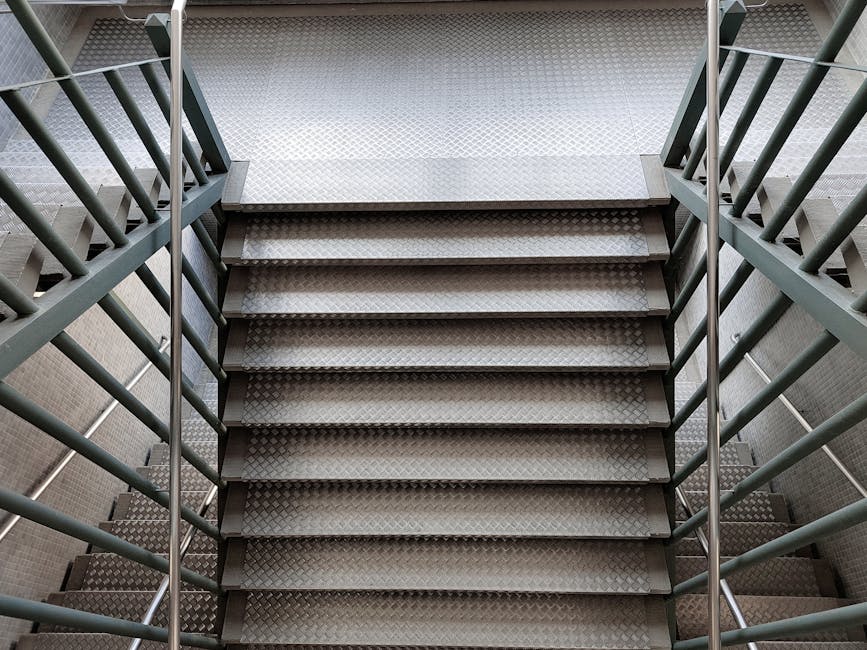
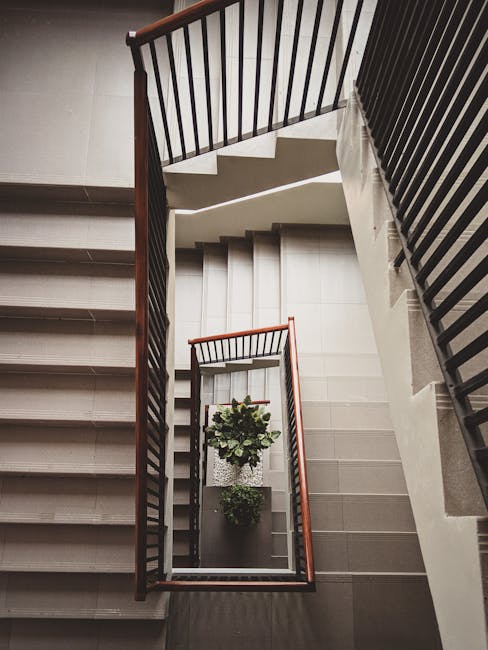
Moving in Eastcote sounds straightforward until you meet the staircase. Then reality steps in. Narrow landings, awkward turns, shallow ceiling height, soft carpet underfoot, and the occasional bulky wardrobe can turn a simple flat move into a careful balancing act. If you are dealing with staircase challenges in Eastcote flats: safe handling tips, the good news is that most problems can be reduced with the right planning, the right loading order, and a calmer pace than people usually expect.
This guide walks through the practical side of stair moves in Eastcote flats: why they matter, how the process works, what tends to go wrong, and how to handle heavy or awkward items without rushing into a costly mistake. You will also find a checklist, a comparison table, and a few localised observations that are especially useful if your building has tight communal stairwells or old-fashioned bends that seem designed to test your patience. Let's face it, some staircases are not exactly friendly.
Why Staircase challenges in Eastcote flats: safe handling tips Matters
In a flat move, the staircase is rarely just a route from A to B. It is the part of the job where awkward angles, low grip, and poor visibility can quickly create risk. One heavy box might be manageable. A mattress, sofa, freezer, or bed frame with a wobbly balance point is another matter entirely.
That is why staircase planning matters so much in Eastcote flats. Many buildings have shared stairwells, tight corners, limited waiting space, and neighbours passing through at the worst possible moment. If you are carrying items without a plan, every small delay becomes a hazard. A suitcase left on a landing, a door opening unexpectedly, or someone turning too quickly can be enough to cause a slip or a knock to the wall.
There is also the matter of damage. Stair rails get scratched. Painted walls get marked. Corners chip. And in some blocks, a small scuff can become a real issue if the landlord or managing agent is strict about condition on move-out. If you want a useful companion read on keeping entrances protected, the advice in door protection tips for moving is a sensible place to start.
For many residents, the practical goal is simple: move everything out without injury, without shouting, and without leaving the staircase looking like it lost a fight. That is a fair goal. Probably the only goal that matters on the day, to be honest.
How Staircase challenges in Eastcote flats: safe handling tips Works
Safe handling on stairs is really about three things: reducing weight per lift, controlling movement, and protecting the environment around you. You do not win a staircase move by forcing heavier loads through it. You win by making the load smaller, the route clearer, and the movement slower and more deliberate.
In practice, the process usually looks like this:
- Measure the item and the staircase. You need enough information to know whether the item can turn on the landing or whether it must be angled, dismantled, or carried by a different route.
- Decide what must be dismantled first. Flat-pack furniture, bed frames, table legs, and some wardrobes often become much easier once separated into smaller parts.
- Clear the route completely. That means removing shoes, mats, loose boxes, and anything that creates a trip point.
- Protect contact points. Blankets, padding, and edge protection help reduce scuffs on walls, banisters, and item surfaces.
- Assign roles. One person leads, one supports, and if the item is large enough, one spots from behind or below.
- Move slowly and communicate. Clear instructions matter more than speed. "Stop," "pivot," and "down a step" are better than half-finished sentences.
The biggest mistake people make is treating the staircase as a thing to get through quickly. It is not a sprint. It is a controlled sequence of turns, pauses, and careful positioning. That is why experienced movers often talk about the route before they lift the item at all.
If you are curious about the physical side of lifting, the article on how kinetic lifting redefines physical activity is useful background. It explains why body position, balance, and controlled movement are more effective than raw effort.
Key Benefits and Practical Advantages
People usually think safe staircase handling is only about avoiding injury, but the benefits go a bit further than that. Yes, safety is the main point. Still, there are several practical advantages that make the extra planning worthwhile.
- Less risk of damage: careful handling protects banisters, paintwork, floors, and your furniture surfaces.
- Better time control: a planned staircase move is usually faster than a chaotic one because there is less backtracking and fewer mistakes.
- Lower physical strain: the right lift angle and load distribution reduce the chance of back, shoulder, or wrist strain.
- Fewer delays: if an item is too large to turn, you want to know that before everyone is sweating on the landing.
- Less stress for everyone: including neighbours. Nobody enjoys a stairwell jam on a Friday afternoon.
There is also a confidence benefit. Once the route is planned and the team knows the job, people naturally move more smoothly. You can see it in the shoulders, strangely enough. They drop a little. The whole thing becomes calmer.
For readers who are balancing a larger move alongside everyday life, this connects nicely with making your move a calm and organized process. Staircase planning is one part of that calmer picture, not a separate task floating on its own.
Who This Is For and When It Makes Sense
This advice is for anyone moving in or out of an Eastcote flat where stairs are part of the route. That includes students, couples, families, landlords refreshing a property, and people who are moving on a tight schedule. It is especially relevant if the building does not have a lift, the staircase turns sharply, or the item list includes furniture that is bulky rather than just heavy.
It makes sense to take staircase handling seriously when:
- your flat is on an upper floor and the access route is narrow;
- you need to move furniture through shared communal spaces;
- you are carrying delicate items, antiques, or awkward shapes;
- the move involves a bed, mattress, sofa, or piano;
- you are trying to finish in one trip or within a strict time slot;
- you have already had a bad lifting experience and do not fancy a repeat.
For students, in particular, the stress point is often not the quantity of items, but the timing. A few boxes, a monitor, a desk chair, a mattress, and a bag of kitchen bits can all become a surprisingly awkward load if the staircase is steep or cramped. If that sounds familiar, student removals in Eastcote may be a practical route to explore.
And for larger household moves, an experienced furniture removals Eastcote service can save a lot of trial and error on the day. Not always necessary, but often sensible.
Step-by-Step Guidance
If you want a safer staircase move, this is the sequence that tends to work best. It is simple, but simple is usually where the good results live.
- Walk the route first. Look at the stair width, turns, landings, handrails, and any awkward overhead lights. Check where you will rest an item if you need to pause.
- Take measurements. Measure the item at its widest point, not just the obvious edge. Sofas, mattresses, and wardrobes often surprise people when tilted.
- Dismantle what you safely can. Remove doors, legs, shelves, and loose accessories. Bag screws and label them clearly.
- Prepare the item. Wrap corners, secure loose parts, and keep straps accessible. If you are moving soft furnishings, padding helps prevent snagging.
- Protect the staircase. Lay down protection if appropriate and safe to do so. Focus on the top landing, tight corners, and any wall sections likely to be brushed.
- Assign a lead person. One person should call the moves. Too many voices on stairs can become chaos very quickly.
- Lift with the route in mind. Do not lift and then think. Decide how the item will turn before you pick it up.
- Pause at landings. Reset grip, breathing, and angle. Small pauses are better than one big panic move.
- Watch for blind corners. Communicate every turn. If the person below cannot see the top carrier, that person is carrying a lot of the risk.
- Finish with a clear drop zone. Once the item reaches the van or the next room, put it down gently and check that nothing has shifted or torn.
Truth be told, the route can sometimes decide the whole plan. A sofa that looked easy in the living room may become awkward the moment it reaches the first landing. That is why item-by-item judgment matters. There is no magic trick, just decent preparation.
Expert Tips for Better Results
Over time, the little details tend to matter more than the grand strategy. Here are the sort of tips that help in the real world, especially in compact flats where every inch counts.
- Use a dry grip, not a rushed grip. Hands slip when people start sweating and hurrying. It happens to everyone.
- Keep the heaviest end low only when it improves balance. Sometimes that helps, sometimes it makes the turn harder. Test the angle before committing.
- Think about friction. A rug edge, a loose cable, or a smooth sock sole can create a problem fast.
- Pack awkward items separately. Loose lampshades, mirrors, and table legs should not be floating around in the same box as heavier goods.
- Protect your energy. One heavy carry, then a short reset, is usually better than trying to power through the whole staircase in one burst.
- Don't let the item lead you. You lead it. Sounds obvious, but on stairs the object can suddenly dictate the pace if you let it.
If the move includes a sofa, a mattress, or something similar, it is worth reading the guide to moving a bed and mattress. Those items are common staircase troublemakers, and the handling advice is very practical.
For anyone feeling tempted to move alone, have a look at heavy lifting alone before making that call. Sometimes solo lifting is possible. Sometimes it is just stubborn.

Common Mistakes to Avoid
Most staircase problems are predictable. That is the annoying part. They are not mysterious, just familiar. If you avoid these mistakes, you remove a lot of the drama from the day.
- Ignoring measurements. This is the classic mistake. If the item cannot turn on the landing, no amount of enthusiasm will change that.
- Leaving route clearance until the last minute. A few shoes on the stairs can be enough to trip someone carrying a heavy box.
- Trying to carry too much at once. One box too many can throw off your balance completely.
- Using the wrong footwear. Slippery soles and open backs are not ideal. Really not ideal.
- Rushing around corners. Corners are where walls, mirrors, and fingers tend to suffer.
- Not briefing helpers. If everybody moves differently, the item twists. That is where strains and scuffs start.
- Skipping the protection step. A tiny mark can be hard to explain later, especially in a shared building.
Another common mistake is underestimating a "small" item. A washing machine, upright freezer, or desk might look manageable until the staircase forces a turn. The shape matters as much as the weight. Sometimes more.
Tools, Resources and Recommendations
You do not need a warehouse of equipment to handle stair moves well. But a few useful tools can make the job significantly safer and cleaner.
| Tool or resource | Best use | Why it helps |
|---|---|---|
| Moving blankets | Wrapping furniture and protecting walls | Reduces scuffs, dents, and chipped paint |
| Straps | Stabilising awkward loads | Improves control on turns and landings |
| Gloves with grip | Handling heavy or slippery items | Helps reduce slips and improves control |
| Labels and tape | Sorting dismantled parts and boxes | Stops small items disappearing into the chaos |
| Door and edge protection | Shared entrances and tight turn points | Limits damage where the load is most likely to brush |
If you are also planning to reduce the load before moving day, a quick session of decluttering can make a surprisingly big difference. The ideas in revitalise your space before moving with decluttering are especially helpful when you are deciding what is worth carrying up and down stairs at all.
For packing, packing techniques revealed is a good follow-up read. Better packing means fewer unstable boxes, fewer loose items, and fewer odd-shaped bundles on the staircase. Small advantage, big payoff.
If storage is part of your plan while you move, especially for furniture or seasonal items, the guide on long-term sofa storage offers practical ideas that also help protect items before they ever reach the stairs.
Law, Compliance, Standards, or Best Practice
For most flat moves, the practical focus is safety and property care rather than formal paperwork. Still, there are a few UK best-practice points worth keeping in mind.
First, under general health and safety expectations, anyone helping with the move should avoid unnecessary risk. That means not carrying loads you cannot control, not blocking escape routes, and not creating hazards in communal areas. In shared residential buildings, that is basic courtesy as much as common sense.
Second, if you are using a professional mover, it is reasonable to expect them to follow safe lifting methods, use appropriate equipment, and handle access routes carefully. You do not need to know the technical jargon. You do need to know whether the team is thinking about risk before they start.
Third, if the building has management rules on access times, lift booking, or hallway protection, those should be respected. In some Eastcote flats, the issue is not just the staircase itself but the timing around neighbours, deliveries, and narrow access windows. A move that starts late can become a move that feels much harder than it needed to be.
It is also sensible to check the terms of any removals booking, insurance arrangement, and safety guidance before the move. The pages on insurance and safety and health and safety policy are useful for understanding the kind of standards a professional service should be working to, even if every move is different in practice.
And yes, if you are moving into a building with particular rules, make sure you know them in advance. Nobody wants to discover a restricted access slot halfway through loading a wardrobe. That is the sort of detail that makes good planning look like genius.
Options, Methods, and Comparison Table
There are several ways to approach staircase handling in Eastcote flats. The best option depends on the size of the property, the item list, and how much help you have available.
| Method | Best for | Strengths | Limitations |
|---|---|---|---|
| DIY with a couple of helpers | Light to moderate loads | Lower cost, flexible timing | Higher physical strain, more room for error |
| Man and van support | Smaller flat moves and mixed item loads | Useful balance of support and cost | May still need careful handling on stairs |
| Full removals service | Larger flat moves or heavier furniture | More coordination, equipment, and experience | Usually the most expensive option |
| Same-day assistance | Urgent or last-minute moves | Fast response and practical support | Less time for advanced planning |
For a quick local move where speed matters, same-day removals in Eastcote can be worth considering. It is not the answer for every situation, but when plans change suddenly, having a flexible option can save the day.
Also, if the move involves a piano or similarly delicate heavy item, treat it differently from standard furniture. The handling demands are much stricter. The article on piano moving realities explains why specialised planning matters so much for those heavier, more sensitive pieces.
Case Study or Real-World Example
Here is a realistic example from an Eastcote flat move scenario. A couple were moving out of a second-floor flat with a narrow stairwell and one tight landing turn. The furniture list was modest: a bed, mattress, small wardrobe, a sofa, several boxes, and a freezer. On paper, it looked manageable. On the staircase, it was a different story.
The first thing they did was walk the route and remove everything loose from the hallway. That sounds basic, but it made a huge difference. They then dismantled the wardrobe, labelled the fixings, and carried the mattress last so it did not get in the way of everything else. The sofa was wrapped before it left the room because, frankly, the hallway wall looked like it had already had a hard life.
The turning point was not strength. It was communication. One person led each item, calling out when to pause or pivot. The team took short rests on the landing instead of trying to force continuous movement. Nobody looked heroic. Nobody needed to. The move finished without damage and without a panicked final sprint.
What made it work? A clear route, sensible order, and a decision not to treat the staircase like an afterthought. That is usually the difference between a messy move and a decent one.
If you are already at the planning stage, a related local guide such as the Vicarage Road Eastcote staircase moving checklist can help you think through route access and timing in a more structured way.
Practical Checklist
Use this before moving day. It saves a lot of last-minute fuss.
- Measure every bulky item and every key staircase turn.
- Decide what can be dismantled safely.
- Clear hallways, landings, and the first floor route.
- Protect walls, doors, and corners where needed.
- Pack a toolkit, labels, tape, and gloves separately.
- Confirm who will lead each lift and who will spot.
- Check parking and access timing before the van arrives.
- Keep children and pets away from the stair route.
- Wear proper footwear with good grip.
- Build in a buffer for pauses, unexpected turns, and those little "hang on a sec" moments.
One small but useful tip: keep a clear bin bag or box for odd screws, shelf pegs, and loose fittings. It stops tiny parts rolling away just when you need them. Sounds trivial. It isn't.
If you need to dispose of extra items before the move, the article on handling bulky waste in Eastcote can help you decide how to clear unwanted furniture without adding more chaos to the staircase plan.
Get a free quote today and see how much you can save.
Conclusion
Staircase challenges in Eastcote flats are not unusual, but they do reward careful thinking. The safest handling tips are rarely dramatic. Measure properly, reduce the load, clear the route, communicate clearly, and respect the stairs instead of fighting them. That approach protects people, property, and everyone's patience.
If you take anything from this guide, let it be this: a calm staircase move is usually a planned staircase move. Not perfect, just planned. And in the real world, that is often enough.
For larger or more complex moves, it can also help to look at the broader picture of removal services in Eastcote, particularly when you want reliable help rather than improvising on the landing. If you are still weighing up your options, pricing and quotes is the sensible next step to understand what fits your move and your budget.
And if your move is tied to a specific property type, the pages on flat removals Eastcote and man with a van Eastcote can give you a better idea of the support available. The important thing is to choose the route that keeps everyone safe and keeps the day moving forward.
A little planning goes a long way. Especially on stairs.