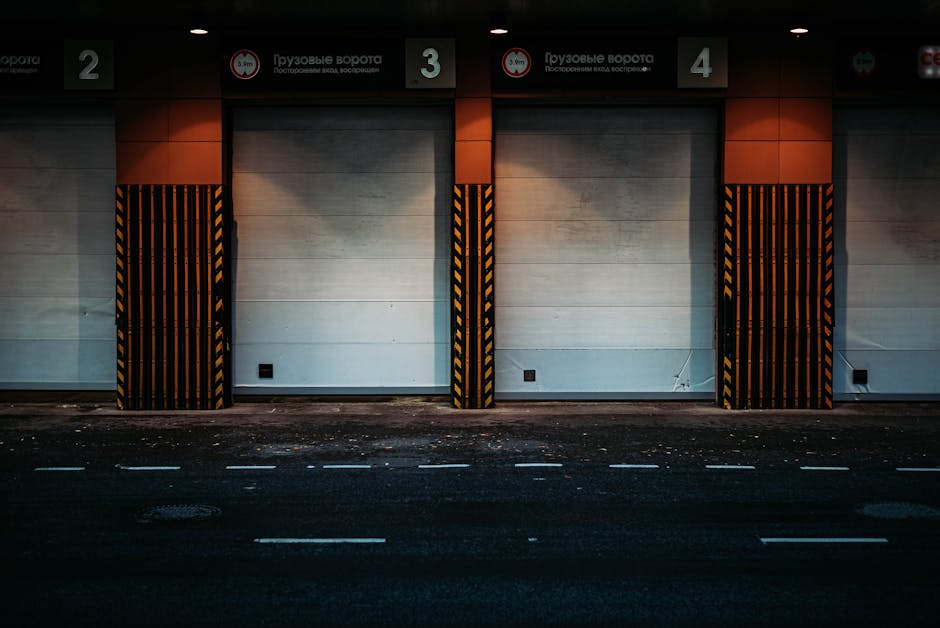
Driveway loading bay rules in Eastcote: movers must follow
Posted on 04/07/2026
Moving day has a habit of exposing every little access problem at once. The van is on the street, the sofa is halfway out, someone is asking where the mattress straps went, and now you are wondering whether the driveway space, loading bay, or kerbside stop is actually usable. That is exactly why Driveway loading bay rules in Eastcote: movers must follow matter so much. Get the parking and access side wrong, and even a well-organised move can turn noisy, slow, and expensive.
This guide explains the practical rules and good sense behind loading access in Eastcote, what movers should check before arrival, how to reduce the risk of fines or neighbour complaints, and how to keep the day moving without unnecessary drama. A lot of it is simple, truth be told, but simple is not the same as obvious when everyone is carrying boxes at once.
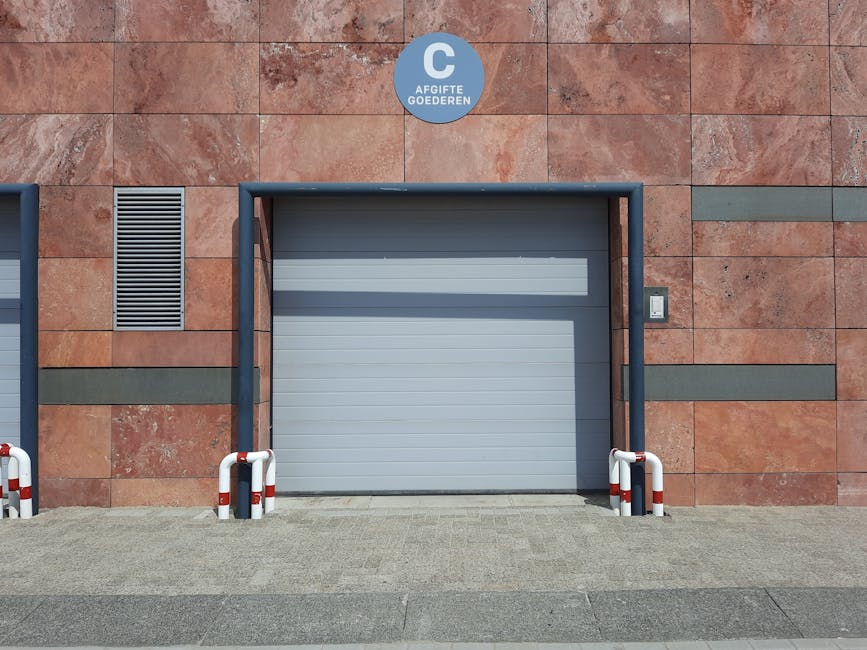
Why Driveway loading bay rules in Eastcote: movers must follow Matters
Access rules are not just a parking issue. They directly affect safety, timing, property damage risk, and whether your move feels calm or chaotic. In Eastcote, many homes and flats have tight frontages, shared driveways, limited turning space, or roads where stopping is awkward at the best of times. A van parked a little too casually can block a neighbour, narrow a lane, or force porters to carry heavy furniture farther than planned.
For movers, the consequences stack up quickly. A blocked route means longer handling times. Longer handling times mean tired people. Tired people make mistakes. And mistakes are how door frames get grazed and backs get strained. If you have ever watched two people wrestle a wardrobe around a badly parked vehicle, you know the feeling. Not ideal.
There is also the trust element. Homeowners, tenants, landlords, and building managers all expect removals teams to behave carefully around shared access. Even when there is no dramatic conflict, a tidy and respectful arrival sets the tone. That matters in Eastcote, where many streets are busy enough that one badly judged stop can annoy half the road.
If you are already planning the wider move, it helps to think about access as part of the overall sequence. A good starting point is keeping the move calm and organised, because access is much easier to manage when the rest of the day has a plan.
How Driveway loading bay rules in Eastcote: movers must follow Works
At a practical level, driveway and loading bay rules are about permission, timing, and clearance. That sounds dry, but it is really just a way of answering three questions: Can the vehicle stop here? For how long? Will it block anyone or break a condition?
In many cases, the rules come from a mix of property expectations and local street constraints. A private driveway may require the owner's permission and enough space for a van to enter and leave safely. A shared loading bay may be time-limited, reserved for certain vehicle types, or subject to conditions about supervision and active loading. On some streets, the issue is less formal but still real: stopping in the wrong place can make the whole operation unsafe or create a traffic problem.
For movers, the best approach is to treat every access point as if it has limits, even if those limits are only practical rather than written down. Check the width of the entrance. Check whether the van can sit without overhanging a pavement. Check whether the route from vehicle to property is clear of bins, planters, low branches, or parked cars. And check whether the loading zone is actually available at the time you plan to use it.
A useful local habit is to arrive with a simple access picture in mind: where the van will stand, where the trolley will roll, where the door will stay open, and who will guide the driver in. That sort of thinking is often what separates a smooth 40-minute load from a two-hour shuffle around the pavement.
If your move includes delicate items, you may also want to read about door protection tips for moving so the access plan and protection plan work together rather than fighting each other.
Key Benefits and Practical Advantages
Following proper driveway and loading bay practice is not just about avoiding problems. It actively improves the move in ways that are easy to notice on the day.
- Faster loading: shorter carrying distances usually mean fewer delays and less fatigue.
- Lower damage risk: fewer awkward turns and fewer narrow squeezes around cars, walls, or hedges.
- Better neighbour relations: a considerate vehicle position reduces friction in shared spaces.
- Less stress: everyone can focus on packing, lifting, and sequencing instead of parking arguments.
- Cleaner handover: building managers and landlords are more likely to see the move as controlled and professional.
There is also a hidden benefit: better access helps protect the items you are moving. Softer furnishings are easier to nick on a narrow route. Heavy items are easier to drop when people are tired from carrying them further than necessary. Even a freezer or a boxed-up TV can be exposed to extra jolts if the team has to travel from an awkward stop point. Small distances matter more than people think.
That is why many removal teams use access planning as part of the overall service, not as an afterthought. If you want to see how broader moving support fits together, the services overview is a helpful place to understand the bigger picture.
Who This Is For and When It Makes Sense
This guidance is useful for almost anyone moving in Eastcote, but it becomes especially relevant in a few common situations.
- House movers with a driveway, front garden, or private frontage that could fit a van if handled properly.
- Flat movers who need to manage a shared curbside space, access road, or short loading window.
- Students and first-time movers who may not yet know how much access affects the day.
- Office movers dealing with building restrictions, reception areas, or strict time slots.
- Same-day movers who have less room for error and need quick decisions on the spot.
It also makes sense if you are moving bulky items only. A single heavy wardrobe or piano can create the same access challenge as a full house move, sometimes more. In that situation, the rules are less about "how do we park?" and more about "how do we create the safest, shortest path?" That is one reason specialist help matters. For larger pieces, a dedicated option such as furniture removals in Eastcote can be the difference between a calm lift and a lot of grimacing.
And if the item is especially awkward, there is no shame in saying so. A piano does not care that you are in a hurry. It just sits there, heavy and slightly judgemental.
Step-by-Step Guidance
Here is the practical sequence we recommend for loading bay or driveway access on moving day.
1. Confirm the stopping point before the van arrives
Do not leave the stopping decision until the vehicle is already outside. Decide where the van should stand, who will direct it, and what will happen if the preferred spot is taken. A quick pre-arrival message or call can save ten minutes of circling.
2. Measure the access properly
Check width, turning room, gate clearance, and overhead obstacles. A driveway that looks wide enough from the front door may still be awkward once mirrors, tail lifts, or a longer wheelbase are taken into account.
3. Clear the route before unloading starts
Move bins, bikes, plant pots, and loose items away from the path. If you need to protect walls or skirting near the entrance, do it before the first box comes through. It is much easier than stopping halfway with someone balancing a lamp and asking where the tape went.
4. Keep the access route active, not cluttered
Loading areas work best when they remain live and simple. Put outgoing items in one place. Keep incoming items out of the way. Avoid creating a second pile that blocks the path. One messy pile becomes two messy piles. Then somehow three.
5. Use the right lifting order
Heavy pieces should come out in a sequence that matches the route. Large flat items first if they are likely to block the doorway. Smaller, more flexible items can follow. If a sofa, bed base, or bookcase needs turning, make sure the team has room before it reaches the threshold. The guide to moving your bed and mattress is useful if your bedroom furniture is part of the challenge.
6. Protect the property as you go
Loading bays and driveways are where scrapes happen: on walls, doorframes, paving, and car bumpers. Use basic protection, move slowly on corners, and assign one person to watch the route. You do not need a military operation. You do need someone paying attention.
7. Check clear-away conditions at the end
Before the vehicle leaves, make sure nothing has been left in a shared space, on a pavement, or across a neighbour's access line. A neat finish matters. It avoids complaints and leaves the place looking respected rather than invaded.
Expert Tips for Better Results
A few small habits make a disproportionate difference. In our experience, these are the ones people notice most.
- Use one person as the access lead. Too many voices at the van door creates confusion.
- Keep the van door, property door, and route in sight. If someone has to keep asking where the next item goes, you are losing time.
- Protect the threshold. A bit of door and frame protection can prevent a tiny bump from becoming a repair job.
- Load the awkward pieces early. That gives you time to adapt if the route proves tighter than expected.
- Leave a buffer for real life. Someone may be late. A vehicle may already be in the bay. It happens.
One thing people often underestimate is the emotional tone of the day. If access is chaotic, everyone feels it. If access is calm, the rest of the move feels more manageable. That is not fluffy advice, by the way. It changes behaviour. People carry better when they are less stressed.
For a more complete pre-move mindset, it can help to look at decluttering before moving because fewer unnecessary items means fewer trips through the access point.
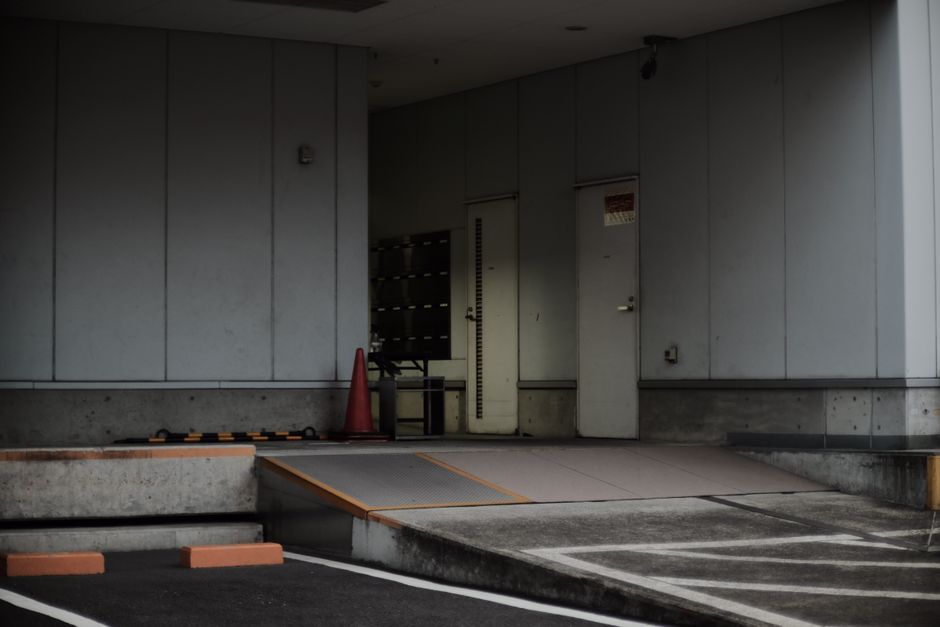
Common Mistakes to Avoid
Most access problems are not mysterious. They come from familiar mistakes that can be avoided with a bit of foresight.
- Assuming a driveway is automatically suitable. Width, slope, and turning room all matter.
- Leaving the van to "just wait somewhere nearby." Nearby is not always compliant or convenient.
- Blocking shared access for too long. Even a short hold-up can upset neighbours or other users.
- Ignoring building rules or occupant expectations. Flats and managed properties can have their own routines.
- Starting the move without protecting the route. That is how scuffed walls happen.
- Not planning for heavy, odd-shaped items. Pianos, wardrobes, and sofa beds need room, not optimism.
One more common slip: people focus so much on the vehicle position that they forget the exit path on the inside. A loading bay may be perfect, but if the hallway is cluttered or the front room is packed with boxes, the team still loses time. Access is a whole chain. The weakest link decides the pace.
Tools, Resources and Recommendations
You do not need fancy equipment, but a few basic tools make loading bay work safer and cleaner.
| Tool or item | Why it helps | Best use |
|---|---|---|
| Furniture blankets | Protects surfaces and reduces impact | Doorways, corners, fragile wood finishes |
| Trolley or dolly | Reduces carrying distance and strain | Boxes, appliances, multiple small items |
| Straps | Keeps items stable in transit | Heavy furniture and stacked loads |
| Door protection | Prevents scuffs at the threshold | Front doors, internal doors, tight hallways |
| Gloves with grip | Improves handling confidence | Wet weather, bulky boxes, awkward lifts |
As a practical recommendation, keep your packing organised so the access point is not flooded with mixed items. A helpful read here is better packing techniques for moving. Good packing makes loading faster and less fiddly, which is exactly what a tight driveway or loading bay needs.
If you are moving anything especially delicate or unusually heavy, it is worth checking whether your removal provider has the right handling approach and insurance cover. A solid safety-first mindset is not overkill; it is sensible. If you want to understand how those safeguards are framed, see insurance and safety.
Law, Compliance, Standards, or Best Practice
Because access rules can overlap with parking restrictions, private property conditions, and health and safety duties, movers should take a careful and practical approach rather than guessing. In the UK, the exact legal position can depend on whether the stop is on private land, a shared driveway, a managed estate, or a public road. The key point is simple: permission and safe access should be clear before the vehicle is positioned.
Best practice usually includes the following:
- checking whether the bay or driveway is reserved or shared
- making sure the vehicle does not obstruct emergency access or other users
- keeping loading periods as short as reasonably possible
- using safe manual handling methods for heavy items
- avoiding damage to surfaces, doors, and neighbouring property
For movers, that means good communication is not optional. If you are uncertain about a driveway or loading area, do not improvise and hope for the best. Ask, confirm, and if necessary plan a fallback position. The legal and practical outcomes are both better that way.
It is also wise to keep an eye on site-specific rules when moving into flats or managed buildings. Some places are relaxed but specific; others are strict and not especially forgiving. A bit of caution saves a lot of awkward conversation later.
Options, Methods, or Comparison Table
Not every move uses the same access approach. The best option depends on property type, vehicle size, and how much time you have.
| Method | Best for | Pros | Watch-outs |
|---|---|---|---|
| Private driveway loading | House moves with enough frontage | Shortest carry distances, easiest coordination | Can be tight, sloped, or partially blocked |
| Shared loading bay use | Flats, estates, managed properties | Designed for access, often more efficient | May have time limits or shared-use pressure |
| Curbside loading | Busier streets and brief stops | Flexible when permitted and safe | Can create parking tension and longer carrying routes |
| Staged loading from a nearby space | Trickier streets or partial access | Useful fallback when direct access is limited | More steps, more fatigue, more chance of delays |
If you are comparing removal options as well as access methods, the broader removals service in Eastcote can give context on what level of support fits your move. For quick, smaller, or more flexible jobs, a man and van service may suit the access pattern better than a larger operation. It really depends on the property. Sometimes less vehicle, less problem.
Case Study or Real-World Example
Here is a realistic Eastcote-style scenario. A family moving from a semi-detached house had a front driveway, but the space was narrow enough that a larger van could not fully sit within it. The first instinct was to park half on the drive and half on the road. That would have worked for a minute or two, maybe, but it created a poor turning angle and blocked the path to the front door.
Instead, the team used a simpler approach. They checked the driveway angle before unloading, shifted the van a little further back so the rear doors lined up with the entrance path, and protected the threshold and nearby wall edges before anything came out. One person stayed on access duty. Another managed the load order. The heaviest pieces went out first while everyone was fresh. No repeated re-parking. No rushed turns. No one had to carry a sofa around the front hedge like it was a comedy sketch.
Was it perfect? No. The car on the opposite side of the road made the first turn fiddly, and someone had to wait while a neighbour reversed out. But because the loading plan was set early, the team adapted without stress. The move finished on time, the property stayed intact, and the family later said the access part felt much calmer than they expected.
That is usually the pattern. Good planning does not eliminate every issue, but it reduces the size of the issues you do get.
Practical Checklist
Use this checklist before the van arrives. It sounds basic, but honestly, basic is what saves the day.
- Confirm whether the driveway or loading bay can be used at the planned time.
- Check if any building, landlord, or neighbour rules affect access.
- Measure the space for van length, width, and turning room.
- Clear bins, plants, bikes, and other obstacles from the route.
- Protect door edges, walls, and corners before lifting starts.
- Assign one person to direct the vehicle and manage the access point.
- Plan where outgoing items will wait so they do not block the path.
- Keep delicate and heavy items separated and clearly labelled.
- Prepare a fallback parking or stopping plan if the ideal spot is unavailable.
- Do a final walk-through after loading to make sure the area is left tidy.
If you want to streamline the whole moving day, pairing this with move-out cleaning guidance can make the handover feel far more polished. It is a small thing, but small things stack up.
Conclusion
Driveway and loading bay rules are one of those moving-day details that seem minor until they are not. In Eastcote, where access can be tight, shared, or simply unpredictable, movers must treat the stopping point as part of the job, not a background issue. The better the access plan, the safer the lifting, the shorter the job, and the calmer the whole experience feels.
The best approach is straightforward: confirm access early, protect the route, keep the van position sensible, and avoid improvising under pressure. That is how you keep the move moving. It also shows respect for the property and for everyone else sharing the space, which counts for a lot.
Get a free quote today and see how much you can save.
And if you are preparing more than just the parking side, it helps to think of the move as a sequence rather than a scramble. A bit of preparation now can save a very long afternoon later. You will feel it in the shoulders, if nowhere else.