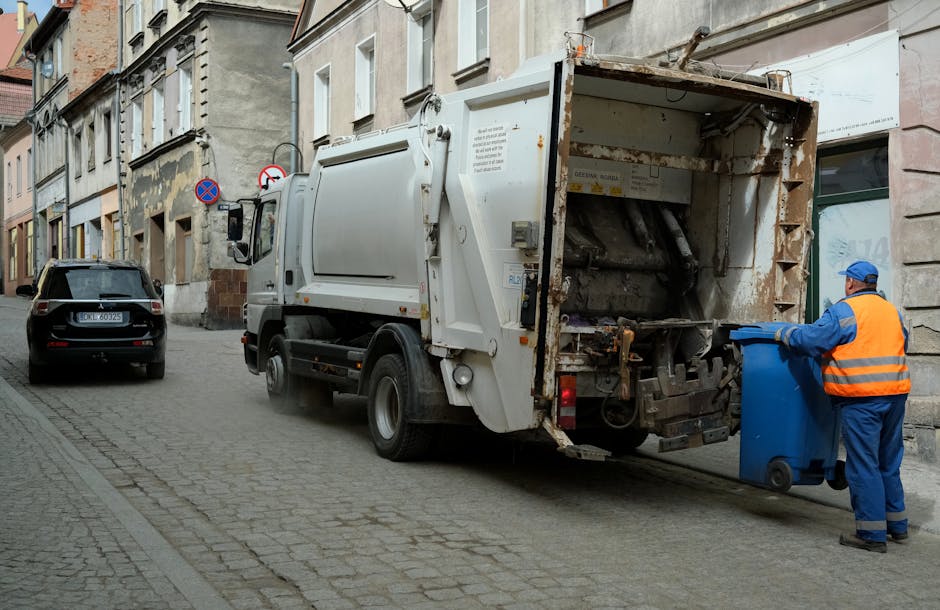
Handling bulky waste in Eastcote: skip vs removal service
If you've got an old sofa, broken wardrobe, a mattress, or a pile of renovation debris sitting in the hallway, you probably want one thing: a simple way to get it gone. The tricky part is choosing the right method. Handling bulky waste in Eastcote: skip vs removal service is not just a question of price; it's about access, timing, lifting, what you're allowed to dispose of, and how much hassle you want on your plate.
Some jobs suit a skip neatly parked outside. Others are far better handled by a removal team who loads everything for you and takes it away the same day. In Eastcote, where homes, flats, tight drives and shared access can all complicate waste removal, that choice matters more than people expect. This guide breaks it down clearly, so you can make a decision that actually fits your situation, not just the cheapest option on paper.
Along the way, you'll also find practical links to related help, from recycling and sustainability to our services overview, plus advice on moving heavy items safely, such as heavy lifting done safely and furniture removals in Eastcote.
Table of Contents
- Why Handling bulky waste in Eastcote: skip vs removal service Matters
- How Handling bulky waste in Eastcote: skip vs removal service Works
- Key Benefits and Practical Advantages
- Who This Is For and When It Makes Sense
- Step-by-Step Guidance
- Expert Tips for Better Results
- Common Mistakes to Avoid
- Tools, Resources and Recommendations
- Law, Compliance, Standards, or Best Practice
- Options, Methods, or Comparison Table
- Case Study or Real-World Example
- Practical Checklist
- Conclusion
- Frequently Asked Questions
Why Handling bulky waste in Eastcote: skip vs removal service Matters
Bulky waste is awkward by nature. It takes up space quickly, often weighs more than it looks, and tends to appear at exactly the wrong time. A new sofa arrives before the old one is gone. A house clear-out uncovers a broken chest of drawers no one wants to carry downstairs. A renovation leaves behind timber offcuts, plasterboard, old flooring, and packaging. Suddenly, the problem is no longer storage. It's logistics.
In Eastcote, the choice between a skip and a removal service matters because local properties vary so much. A detached house with a private drive gives you more freedom. A flat near a busy road or a property with limited frontage? Not so much. Access, parking, neighbours, noise, and the available space outside the property can all influence what's realistic.
There's also the simple human side of it. If you have to drag items outside, load them yourself, and keep a skip in place for several days, that can become a slow-burning nuisance. On the other hand, a removal service may be the more practical option if you want the job finished in one sweep. Truth be told, most people just want the mess dealt with without turning the whole day into a workout.
That's why the right choice is rarely about waste alone. It's about your home layout, your deadline, your back, and how much disruption you can tolerate. A smart decision now usually saves a lot of frustration later.
How Handling bulky waste in Eastcote: skip vs removal service Works
Both options do the same broad job: remove unwanted large items. But the process is very different.
How a skip usually works
A skip is a large container delivered to your property or placed where permitted. You fill it over a set period, then the provider collects it. It's usually best when:
- you're clearing out steadily over several days
- there's enough space for delivery and collection
- you expect a mix of bulky waste and lighter mixed rubbish
- you don't mind loading everything yourself
The convenience is in the drop-off-and-fill model. But you need room, and you need to be able to lift safely. Also, some items are restricted, and overfilling can create problems. A skip is a bit like a temporary overflow room outside your house. Useful, yes. Magically easy? Not quite.
How a bulky waste removal service usually works
A removal service is more hands-on. A team arrives, collects the items from inside or outside the property, loads them, and takes them away. This is often the better fit if you want speed, minimal effort, and help with heavy lifting. It can be especially useful for furniture, white goods, mattresses, and mixed bulky waste that needs sorting.
For many Eastcote customers, this is the more straightforward route when access is tight, the property is upstairs, or the job needs doing quickly. If your plan involves clearing a room before a move, you may also find decluttering before moving helpful, because it reduces what needs removing in the first place.
The practical difference in real life
Imagine an old corner sofa on the second floor of a flat. With a skip, you still have to get the sofa downstairs and outside. With a removal service, that awkward job is part of the service. That single difference can be the deciding factor.
Or picture a garden clear-out with branches, old chairs, a broken bench, and bags of general debris. A skip may suit this well if you can keep loading it during the weekend. But if the waste is mainly large items and you want the place clear on one chosen day, a collection team may be the cleaner solution.
Key Benefits and Practical Advantages
There are real advantages to both approaches. The best one depends on your priorities.
Why people choose a skip
- Flexible loading window: You can add items over time rather than in one appointment.
- Good for mixed waste: Ideal when you have a combination of bulky items and smaller debris.
- Useful on bigger projects: Renovations, garden work, and long clear-outs often fit this model.
- Easy to plan around: Once delivered, the container becomes a simple disposal point.
Why people choose a removal service
- No heavy lifting for you: This is the biggest advantage, honestly.
- Faster turnaround: You can often clear a space in a single visit.
- Better for awkward access: Stairs, narrow halls, and shared entrances are less of a headache.
- Less visible disruption: No container sitting outside for days.
There's another point people sometimes miss: a removal service can reduce the chance of damage. If you've ever scraped a wall while dragging a wardrobe through a narrow corridor, you'll know exactly what I mean. That's where planning matters, and why some customers pair removal with advice from door protection tips for moving or even insurance and safety guidance when moving heavy or valuable items.
Key takeaway
If you have space, time, and a steady stream of mixed waste, a skip can work well. If you want lifting, loading, and fast removal handled for you, a removal service is usually the calmer option.
Who This Is For and When It Makes Sense
This topic matters to a lot more people than you might think. Bulky waste crops up during ordinary life, not just major projects.
A skip may suit you if you are:
- renovating a house or flat
- clearing a garden after landscaping
- doing a staged declutter over a few days
- managing a bigger volume of mixed rubble and household waste
- happy to load waste yourself
A removal service may suit you if you are:
- getting rid of one or two heavy furniture items
- clearing a property before sale or rental handover
- moving out and need unwanted pieces gone quickly
- living in a flat or a property with tight access
- unable or unwilling to lift bulky items safely
Students moving out of rented accommodation, for example, often need a fast clear-out rather than a skip sitting around. In that sort of case, a service that can work alongside student removals in Eastcote can save a lot of last-minute stress. Likewise, if the waste is part of a wider move, man with a van Eastcote or removals in Eastcote may be a better fit than a standalone waste-only option.
And yes, sometimes the most sensible answer is to combine services. A clear-out, a removal run, and a short-term storage plan can work neatly together when space is limited. If that sounds familiar, storage in Eastcote might be part of the conversation too.
Step-by-Step Guidance
If you want to choose well, don't start with price alone. Start with the shape of the job.
- List the items. Write down every bulky item, including anything oddly shaped or especially heavy.
- Check access. Measure doorways, hallways, stair turns, and outside parking space if needed.
- Separate waste types. Keep furniture, white goods, garden waste, and renovation debris apart where practical.
- Decide who will lift. If the answer is "me, probably," pause and think again. Your back will thank you.
- Estimate volume. A few items may fit a removal service; a roomful of waste may justify a skip.
- Consider time pressure. Do you need the area clear today, or can it sit there for a few days?
- Check for restrictions. Some materials need special handling and should not simply be mixed in with general bulky waste.
- Request a quote or arrangement. Use a service that is upfront about what is included.
A practical example: if you're emptying a bedroom before new furniture arrives, you may be dealing with a mattress, a bed frame, one wardrobe, and a broken bedside unit. That usually leans toward removal, especially if you also want advice from this bed and mattress moving guide and want the room cleared without turning it into a weekend project.
If the waste is part of a bigger house tidy-up, it may help to schedule the clear-out alongside packing and sorting. A bit of structure goes a long way. Some people even keep going after the obvious items are gone and find more they can donate, store, or recycle. Surprisingly satisfying, actually.
Expert Tips for Better Results
These are the small details that make a bulky waste job smoother. Not glamorous, but they matter.
1. Don't wait until the last minute
If you know a sofa or appliance needs removing, line up the plan early. Last-minute bookings can limit your options, especially if access is awkward or you need a preferred time slot. If urgency is an issue, same-day removals in Eastcote may be worth considering.
2. Clear the route first
Move small items, rugs, loose cables, and anything that could catch underfoot. It sounds obvious, but people forget. Then everyone ends up stepping around a shoe rack while carrying a chest of drawers. Not ideal.
3. Protect walls and floors
Bulky waste often comes out through tight spaces. Use blankets, cardboard, or proper protection where needed. For delicate entry points, the advice in door protection tips for moving is surprisingly useful even for waste removal.
4. Break items down where safe
Some furniture can be dismantled to make handling easier. Remove legs, shelves, and drawers where appropriate. That said, don't force things apart if it risks injury or damage. Sometimes it's better to leave an awkward item intact and let professionals handle it.
5. Think about recycling before disposal
If an item can be reused, repaired, or separated into recyclable parts, do that first. It's cleaner, often cheaper, and in many cases more responsible. You can explore the site's wider approach in recycling and sustainability.
6. Match the service to the access conditions
A ground-floor house with space outside is very different from a first-floor flat near a narrow road. Eastcote has a mix of property types, so the same solution won't suit every address. If you're dealing with a tricky location, reading moving near Eastcote Station timing and access advice may also give you a sense of how access planning affects timing.
Common Mistakes to Avoid
Bulky waste removal looks simple until the day itself. Then the little mistakes show up fast.
- Choosing a skip because it seems cheaper at first glance. If you need lifting help, two separate services might not be the same value at all.
- Underestimating access problems. A large item can be easy to quote for and hard to move in reality.
- Leaving everything piled randomly. Sorting waste early saves time and reduces confusion.
- Ignoring what cannot go in a general load. Mixed loads still need sensible handling.
- Forgetting about neighbours or parking constraints. Especially in busy residential streets, a clumsy setup creates avoidable tension.
- Trying to do everything alone. This is the classic one. It feels manageable until the item is halfway down the stairs and suddenly it isn't.
A lot of these problems come from rushing. That's the honest answer. If you pause long enough to assess the item, the route, and the time available, you'll usually make a better choice. And your shoulders will feel it later, in a good way.
Tools, Resources and Recommendations
You do not need a warehouse full of equipment to manage bulky waste well. A few simple tools and habits make a big difference.
- Work gloves: Better grip and basic hand protection.
- Moving blankets: Useful for preventing scratches on walls and doorframes.
- Furniture straps or a dolly: Helpful for heavy items, where appropriate.
- Marker pens and labels: Good for separating items for disposal, donation, or storage.
- Measuring tape: Saves you from guessing whether an item will fit through a doorway.
- Packaging tape and sacks: Handy for keeping small loose parts together.
For wider move-related tasks, these related guides can help keep the whole process calmer: making your move calm and organised, better packing techniques, and packing and boxes in Eastcote.
If the bulky waste includes furniture you're keeping for later, storage can also be a smart bridge solution. That's where long-term sofa storage advice and storage options become surprisingly relevant.
Law, Compliance, Standards, or Best Practice
When dealing with bulky waste, the safest approach is to follow recognised UK waste-handling practice and avoid anything that could create a duty problem for you later. The details can vary depending on the item and disposal route, so it's wise to stay cautious rather than assume. For example, some materials may need separate treatment, and not every service will take every item.
A few sensible principles apply almost everywhere:
- Keep waste traceable where possible. Use reputable services and keep records if needed for your own peace of mind.
- Do not overload containers or vehicles. Safe loading is part of responsible disposal.
- Separate hazardous or specialist items. Don't mix them into a standard bulky waste load.
- Avoid blocking access or causing obstruction. Particularly relevant if a skip or vehicle sits on a public or shared space.
- Choose insured operators and clear terms. This protects you if things go wrong.
Best practice also means handling items in a way that avoids injury. For moving and loading, the guidance in health and safety policy terms matters, even if you're only removing a few bulky items. And if the job is part of a larger move, make sure you understand the practical details in terms and conditions and payment and security before you book.
It's also worth remembering that sustainable handling is not just a nice extra. Reuse, recycling, and correct sorting all reduce unnecessary waste. Not fancy, just sensible.
Options, Methods, or Comparison Table
Here's a straightforward comparison to help you choose between a skip and a removal service for bulky waste in Eastcote.
| Factor | Skip | Removal Service |
|---|---|---|
| Best for | Ongoing clear-outs, mixed debris, renovation jobs | Furniture, white goods, heavy items, fast clearance |
| Effort required | You load it yourself | Team loads for you |
| Access needs | Needs space for delivery and placement | Works better in tight access situations |
| Speed | Flexible, but usually over several days | Often faster and more immediate |
| Disruption | Container remains on site for a period | Usually a shorter visit with less visible impact |
| Physical strain | Higher | Lower for the customer |
| Ideal for flats | Sometimes difficult or impractical | Often the better fit |
As a rule of thumb, choose a skip if the waste is broad in type and you have space plus time. Choose a removal service if the waste is heavy, awkward, urgent, or likely to involve stairs and tight corners. If the items are mainly furniture, the dedicated furniture removals service gives you a more tailored route than a general waste container.
There's no shame in preferring the easier option. The "best" choice is the one that gets the job done safely and without turning your week upside down.
Case Study or Real-World Example
A typical Eastcote scenario goes like this. A couple is preparing to move out of a first-floor flat. They have an old sofa, a damaged coffee table, two mattresses, and a few boxes of broken household items. At first they think about getting a skip because it sounds straightforward. Then they realise the problem: there's no easy place to put it, the waste still has to be carried down two flights of stairs, and the whole street is tight for parking.
After reviewing the space, they choose a removal service instead. The team arrives, handles the lifting, and clears the bulky items in one visit. The hallway stays protected, the flat is cleared faster, and the couple can get on with cleaning. That final clean matters too; many people pair waste removal with move-out cleaning guidance so the property is ready for handover.
Now compare that with another household in a house with a driveway and a large garden project. They have timber offcuts, old decking pieces, broken planters, and general clear-out debris spread over a weekend. In that case, a skip makes more sense because they can load it gradually, as the work progresses. Two different homes. Two different answers. That's really the heart of it.
Practical Checklist
Use this before you book anything:
- List every bulky item you need removed.
- Check whether anything needs special handling.
- Measure access points, stairs, and hallways.
- Decide if you can safely lift or carry the items yourself.
- Think about whether the waste will be gathered in one go or over several days.
- Confirm if you have space for a skip or vehicle access.
- Separate reusable, recyclable, and waste items where possible.
- Protect floors, corners, and doorways if items will pass through the home.
- Check the timing against moving dates, deliveries, or tenancy deadlines.
- Ask for a clear quote so you know what is included.
Quick rule: if the job makes you sigh before you even start, a removal service may be the calmer route.
Conclusion
Handling bulky waste in Eastcote: skip vs removal service is really a decision about practicality. A skip can be a strong choice for larger, slower, mixed waste projects where you have the space and energy to load it yourself. A removal service is usually better when access is tight, items are heavy, or you want the work finished quickly with less disruption.
The best approach is the one that matches your property, your time frame, and your comfort with lifting. If you're weighing up larger removal jobs as part of a move, it may also help to look at removal services in Eastcote or broader removal companies in Eastcote for a more joined-up plan. To be fair, once the clutter is gone, the whole place feels lighter straight away.
Get a free quote today and see how much you can save.
And if you're still undecided, start with the access and the lifting. Those two things usually tell the truth before the spreadsheet does.
Frequently Asked Questions
What is the main difference between a skip and a bulky waste removal service?
A skip is delivered for you to load over time, while a bulky waste removal service sends a team to collect and load the items for you. The main difference is who does the lifting and how quickly the job is completed.
Is a skip always cheaper than a removal service?
Not always. A skip can look cheaper at first, but if you need help lifting items, have access issues, or only have a few bulky pieces, a removal service may be better value overall.
Which option is better for flat clear-outs in Eastcote?
A removal service is often better for flats because skips may be awkward to place and bulky items still need to be carried out. Flats also tend to involve stairs, shared access, and limited parking.
Can I put furniture in a skip?
Often yes, but it depends on the skip provider and the item type. Large furniture takes up a lot of space, so a removal service is sometimes the more efficient choice if the load is mostly sofas, beds, or wardrobes.
What bulky items are hardest to remove safely?
Heavy wardrobes, pianos, large sofas, American-style fridge freezers, and anything with awkward dimensions tend to be the trickiest. If in doubt, don't wrestle with it alone.
How do I know if I need a skip or a removal van?
If you have mixed waste and enough space outside your property, a skip may suit you. If you mainly need heavy items collected quickly, a removal van and team will usually make more sense.
Do I need to sort bulky waste before collection?
It helps a lot. Separate furniture, recyclables, and anything that may need special treatment. Clear sorting saves time and makes the process smoother for everyone.
What should I do with items I want to keep but not use yet?
Put them in storage rather than mixing them up with waste. That way you avoid accidental disposal and keep the home clear. A short-term solution from storage in Eastcote can be useful here.
Can a removal service help with fragile or valuable items too?
Yes, many can. If the item is fragile, awkward, or high value, it's sensible to discuss handling in advance and review safety and insurance details before the day.
How far in advance should I book bulky waste removal?
For non-urgent jobs, booking a little ahead gives you more choice and less stress. If your timeline is tight, look for same-day or next-day availability where possible.
Is bulky waste removal environmentally responsible?
It can be, especially when items are sorted, reused, or recycled properly. Choosing a service with a clear sustainability approach is a good habit.
What if my bulky item won't fit through the door?
That's when experience matters. Sometimes items can be dismantled safely, but sometimes the best answer is to use professional help and protect the route through the property.
Do I need to be home for collection or skip delivery?
Usually yes, or at least someone should be available to confirm access and placement. It avoids mistakes, delays, and awkward surprises.
What is the safest choice if I have back or joint problems?
A removal service is usually safer because it reduces manual lifting. If you know the load will be heavy, it's wise to avoid doing it yourself.