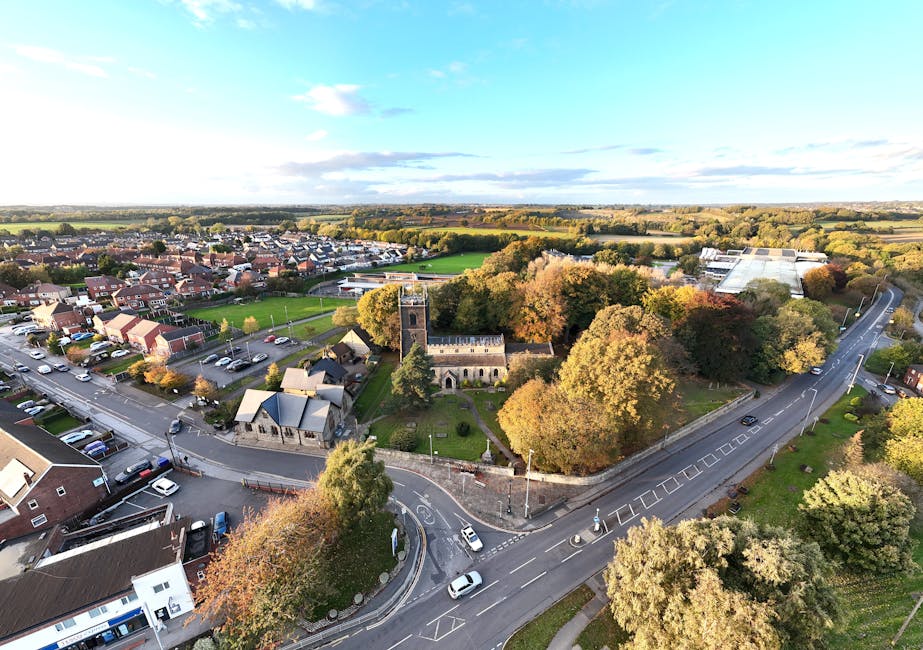
Eastcote Village removals: narrow-street moving tips
Moving home in Eastcote Village can be straightforward on paper and awkward in real life. The streets are characterful, but they are not always generous with space. If you are planning Eastcote Village removals: narrow-street moving tips is not just a nice-to-have topic - it is the difference between a calm moving day and one where everyone is half-laughing, half-stressing while a van waits with nowhere sensible to stop.
That is exactly why this guide goes beyond generic moving advice. You will find practical ways to plan access, choose the right vehicle, protect your belongings, and avoid the small mistakes that create big delays. We will also cover what tends to matter most in a village setting: timing, neighbours, parking, carry distance, and the simple reality of getting a sofa round a tight corner without scraping a wall. It happens. More often than people expect.
Table of Contents
- Why narrow-street moving in Eastcote Village matters
- How narrow-street removals work in practice
- Key benefits and practical advantages
- Who this is for and when it makes sense
- Step-by-step guidance for a smoother move
- Expert tips for better results
- Common mistakes to avoid
- Tools, resources and recommendations
- Law, compliance, standards and best practice
- Options, methods and comparison table
- Case study or real-world example
- Practical checklist
- Conclusion
- Frequently asked questions
Why Eastcote Village removals: narrow-street moving tips Matters
Eastcote Village has the kind of streets where everyday life feels close together. That is part of the charm. But when moving day arrives, those same narrow roads can make access harder than expected. A large vehicle may block traffic, a second car might force a reverse manoeuvre, and even loading a standard box van can become a chess game if parking is tight.
Why does this matter so much? Because removals are time-sensitive. The more awkward the access, the more likely you are to run into small delays: longer loading times, extra carrying distance, or the need to shuttle items in stages. None of that is a disaster on its own, but together they can stretch a move and make it feel far more chaotic than it should.
In a narrow-street area, planning is not about being over-cautious. It is about being realistic. If you know the van cannot sit directly outside the property, you can plan for it. If you know a corner is tight, you can measure larger items before moving day. If you know residents usually park heavily in the evening, you can choose an earlier slot. Common sense, really. But common sense is often the thing people are short on when the boxes are piling up.
Expert summary: narrow-street removals are all about reducing friction before it happens. The better you prepare access, vehicle choice, lifting route and timing, the calmer the whole day becomes.
How Eastcote Village removals: narrow-street moving tips Works
The process is simpler than it sounds. First, you assess the property and the street. Then you match the removal plan to the space available. After that, you decide how the vehicle will approach, where it will pause, and how belongings will be carried from door to van. In a tight village street, those details matter far more than they do on a wide suburban road.
A good move plan usually includes:
- a quick survey of the road width and turning points
- an estimate of where the van can stop without blocking access
- a decision on whether a smaller vehicle is better than a larger one
- loading priorities for the heaviest and most awkward items
- protection for walls, flooring, door frames and furniture edges
- a backup plan if a neighbour's car, delivery vehicle or bin lorry changes the day's rhythm
That last one is worth repeating. Streets do not always behave as planned. A delivery van might arrive just as you are due to load the mattress. A school run may tighten the road at the worst possible time. The trick is not to panic; it is to leave breathing room in the schedule.
For many local moves, the best approach is often a man with van service or a smaller removal van rather than a larger truck, simply because access can be the deciding factor. That does not mean bigger is bad. It means the vehicle should fit the street, not the other way round.
Key Benefits and Practical Advantages
Good narrow-street planning gives you more than convenience. It can reduce damage, save time and make your move feel less physically punishing. Honestly, that is a big deal on a day when you are already juggling keys, paperwork, breakables and the mystery of where the kettle ended up.
- Less risk of damage: shorter, clearer carrying routes mean fewer bumps, scrapes and awkward turns.
- Smoother loading: when the van is parked in the right place, the team can work more efficiently.
- Lower stress: fewer last-minute surprises usually means fewer tense conversations in the doorway.
- Better use of time: planning access helps avoid repeated repositioning of the vehicle.
- Safer lifting: a shorter, clearer route is better for everyone's backs and shoulders.
- More accurate quotes: if access is explained clearly, you are more likely to get sensible pricing and realistic time estimates.
There is also a practical benefit people overlook: when access is well managed, unpacking tends to start better too. If furniture arrives in the right order and nothing has been bashed en route, the first hour in the new place feels much more manageable.
Who This Is For and When It Makes Sense
This advice is especially useful if you are moving from a terraced house, a cottage-style property, a flat above a shopfront, or anywhere with limited roadside space. It also applies if your new home sits on a road where parking is restricted, traffic is regular, or the entrance sits just off a bend. If you have ever looked at a street and thought, how on earth is a van supposed to fit here? - this is for you.
It makes sense for:
- families moving house in Eastcote Village
- tenants leaving a flat with awkward access
- older residents downsizing and needing a calmer move
- people with bulky furniture or fragile items
- small business owners relocating equipment from nearby residential streets
- anyone comparing home moves options and trying to keep the day simple
It also matters if you are coordinating helpers. A move with friends can work fine - until the wardrobe refuses to turn the corner and everybody suddenly becomes an expert in angles. A clear access plan prevents that sort of improvisation from eating up the day.
Step-by-Step Guidance
1. Walk the route before the move
Start outside the property and walk the exact route from front door to where the van is likely to stop. Look for bottlenecks: low walls, overgrown hedges, parked cars, steps, loose paving, and front gates that do not stay open properly. It takes ten minutes and can save a lot more than that.
2. Measure bulky items and key spaces
Measure sofas, wardrobes, beds, white goods and anything with a fixed shape. Then compare those measurements with doorways, hallways, stair turns and the narrowest point on the route. A tape measure is not glamorous, but neither is trying to rotate a wardrobe on a landing while everyone stands in silence.
3. Decide on the best vehicle size
In a narrow-street area, a smaller van can sometimes outperform a larger one because it can park closer and manoeuvre more easily. If you are moving a modest household, a smaller vehicle with multiple runs may be simpler than forcing one oversized load into a difficult street. If you need a larger vehicle, make sure the approach and turning space are checked in advance.
4. Protect the property before lifting starts
Use door protectors, floor runners, blankets or padding where needed. Tight spaces mean items brush past surfaces more often. Even careful movers can graze paintwork if the path is narrow and the item is heavy. A little preparation here is worth it.
5. Load in the right order
Heavy, sturdy items usually go in first, with fragile items secured afterward. Think about weight distribution as well as speed. If the van is packed badly, the journey becomes rougher and unloading gets messy. Keep essentials easy to reach: kettle, documents, chargers, toiletries, and whatever makes the first night feel human again.
6. Keep the access plan flexible
If a car blocks the road, if the weather turns wet, or if there is a short delay at the property, adapt. The best removal days are not perfect; they are responsive. A decent team will adjust the loading sequence and keep things moving without making a drama out of it.
7. Check the finish at both properties
Before leaving, do one last look around the old address for forgotten items. Then at the new property, check for scuffs, missing boxes, and whether the largest items are in the rooms they were meant for. By late afternoon, people are often tired and less sharp - fair enough - so a final check helps avoid the "where's the box with the bedding?" moment at 9 p.m.
Expert Tips for Better Results
There are a few things experienced movers tend to do quietly that make a real difference. None of them are complicated, which is probably why they are easy to miss.
- Choose an early slot where possible. Streets are often easier before parking pressure builds up.
- Tell the removals team about tight corners in advance. Surprises on the day are the enemy of good progress.
- Use smaller boxes for books and heavy items. Large boxes can become unmanageable very quickly.
- Label boxes by room and priority. That saves time when items are being carried further from the van.
- Keep entryways clear. Shoes, doormats and bins may seem harmless until they become trip hazards.
- Have parking details ready. If any local permissions, restrictions or residents' arrangements apply, sort them early.
One thing that really helps in narrow-street moves is calm communication. A quick update to the team that says, "The van will need to stop a little further down the road" is much more helpful than discovering it when the mattress is already half out the door. The day goes better when everyone is reading from the same page.
And yes, someone will probably say, "It'll be fine." Sometimes they are right. Sometimes they are the person standing in the least helpful place imaginable. Funny old business, removals.
Common Mistakes to Avoid
Most narrow-street moving problems are predictable. The issue is that people only notice them when they are already happening. Avoiding these mistakes will save you time, money and a fair amount of irritation.
- Booking a vehicle that is too large for the street. Bigger is not always better.
- Assuming the van can stop directly outside. That may be true - or completely impossible.
- Ignoring the turning circle. Parking is only half the story; getting in and out matters too.
- Leaving fragile items unprotected. Tight carries increase the risk of knocks.
- Not warning neighbours or building occupants. A little courtesy can prevent unnecessary friction.
- Packing heavy boxes too full. They become dangerous quickly, especially on stairs.
- Forgetting to plan for the unload. A clever loading plan can fall apart if the new address is equally awkward.
A small but important point: do not leave bins, recycling bags or loose furniture outside to "deal with later." In narrow streets, clutter narrows the route even more. It sounds obvious. And yet, on moving day, obvious things have a strange habit of disappearing.
Tools, Resources and Recommendations
You do not need specialist equipment for every move, but a few practical tools can make narrow-street removals much easier. If you are preparing for a move in Eastcote Village, consider the following:
- Tape measure: for measuring furniture, doors and hallway turns.
- Furniture blankets: useful for protecting surfaces and item edges.
- Floor covers or runners: helpful where the route is long or hard floors need protection.
- Strong gloves: improve grip and protect hands during carrying.
- Trolley or sack barrow: ideal for boxes, white goods and heavier loads where the path allows it.
- Straps and ties: useful for securing items in the van.
- Labels and marker pens: a simple way to keep the unpacking side of life under control.
If you want support with the whole move rather than just the vehicle, it can help to look at packing and unpacking services as well as the removals option itself. That can be especially handy if you are short on time or moving with children underfoot. Packs of tape and labels have a way of vanishing when you need them most.
For bigger or mixed-size moves, some people also compare removals options with a more flexible man and van removals approach. The right choice depends on the volume of items, the access constraints and how much heavy lifting is involved.
Law, Compliance, Standards and Best Practice
For a residential move, there is not usually a long list of legal formalities sitting in the background. Still, there are sensible standards worth taking seriously. Good removals practice in the UK generally means safe loading, careful handling, proper vehicle maintenance, and clear communication about access limitations and any known risks.
If parking needs to be managed on a narrow street, it is sensible to check local restrictions and any permit or loading rules that may apply. Exact arrangements can vary by street and council area, so it is wise to confirm them directly rather than assuming. If there are shared driveways, building rules or timed access windows, those should be handled early too.
Health and safety also matters. Heavy lifting, twisting on stairs and carrying large furniture around tight corners can be tiring and sometimes risky. Reputable movers usually work to sensible lifting methods and equipment checks, and they should not push past a route that looks unsafe just to save a few minutes. That is one of the reasons a team with proper health and safety policy information available can be reassuring.
Insurance is another practical issue. If you are moving valuable items, ask how they are handled and what cover is in place for transit and handling. It is not about being suspicious; it is about being prepared. For a clearer overview of how a provider approaches protection and responsibility, their insurance and safety information can be a useful starting point.
Options, Methods and Comparison Table
There is no single best way to move in a narrow street. The better option depends on the size of the property, how tight access is, and how much you are moving. Here is a practical comparison to help you think it through.
| Method | Best for | Advantages | Trade-offs |
|---|---|---|---|
| Small van or man-and-van setup | Compact moves, tight access, fewer bulky items | Easier parking, more flexible positioning, simpler street access | May need multiple trips for larger loads |
| Mid-sized removal van | Typical house moves with moderate access | Good balance of capacity and manoeuvrability | Still needs careful parking planning |
| Larger removal truck | High-volume moves where access is manageable | Fewer trips, efficient for big households | Harder to position on narrow roads and tight turns |
| Hybrid approach | Awkward streets with mixed loads | Flexible, can split items by vehicle size or priority | Requires clearer coordination and timing |
In practice, the hybrid approach is often underrated. For example, a smaller vehicle can handle the access-restricted part of the street while larger items are moved from a more suitable parking point. It is a bit more planning, yes, but planning is the whole game here.
Case Study or Real-World Example
A typical Eastcote Village move might involve a two-bedroom home on a narrow residential street with cars parked on one side, a modest front path, and a slight bend near the property. Nothing dramatic. Just enough to make loading awkward if nobody thinks ahead.
In one very ordinary-feeling scenario, the homeowner measured the sofa, wardrobe and dining table the week before moving. That sounds basic, but it changed everything. The team realised the larger van would have struggled to stop close enough, so they switched to a more compact vehicle and planned two runs for the bulkier items. The boxes were staged in the front room, the route was cleared, and the large furniture was wrapped before being moved.
The move still took effort - of course it did - but it avoided the usual chain reaction of delays. No one was trying to reverse a long vehicle into a bend while a neighbour's car sat exactly where it should not. No one was carrying a wardrobe an extra twenty metres because the van could not get close enough. The day ended with fewer raised voices and more cups of tea. That is a win.
The lesson is simple: narrow-street moving is not about perfection. It is about removing avoidable friction before it becomes a problem.
Practical Checklist
Use this checklist before move day. It is small, but it covers the things that most often make a difference.
- Measure large furniture and tight access points.
- Confirm where the van can safely stop.
- Check for parking restrictions or likely obstacles.
- Tell the removals team about stairs, corners and shared access.
- Protect floors, door frames and any delicate surfaces.
- Pack heavy items in smaller boxes.
- Label boxes by room and urgency.
- Keep a clear path from the property to the van.
- Set aside essentials for the first day and night.
- Have contact details handy in case plans need a quick tweak.
- Review cover, handling and safety details if you are using professional help.
Quick takeaway: in narrow streets, success comes from preparation, not muscle. If the route, vehicle and timing are right, everything else feels far easier.
Conclusion
Eastcote Village removals can be smooth, even on a narrow street, if you treat access as part of the move rather than an afterthought. Measure first. Plan vehicle size carefully. Clear the route. Keep the timing realistic. Those small actions turn a potentially awkward day into one that feels controlled and manageable.
If you are comparing move options, looking at packing support, or just trying to work out how a van will fit down a tight road, the best next step is usually a simple one: gather the facts early and choose the setup that matches the street, not the other way around. That is how you keep the day calmer, safer and much less exhausting.
Get a free quote today and see how much you can save.
And if you are standing on the pavement wondering whether the sofa will make that corner, take a breath. With the right plan, it probably will.
Frequently Asked Questions
What makes Eastcote Village narrow-street removals different from a standard move?
The main difference is access. In a narrow street, parking, turning space, carry distance and loading point all matter more than they would on a wider road. That affects vehicle choice, timing and how the team moves items safely.
Should I use a small van or a large removal truck?
It depends on the street and the amount you are moving. A smaller van can be better where parking and manoeuvring are tight, while a larger vehicle may be suitable if access is straightforward. The right choice is the one that fits the road as well as the load.
How far in advance should I plan a move in a narrow street?
The earlier the better, especially if you need to check parking or access details. A few days can be enough for a simple move, but a week or more is much more comfortable if the property is awkward or you have bulky furniture.
What if the van cannot park directly outside my home?
That is very common in narrow streets. The move can still work well if the team knows in advance and the carrying route is planned properly. The key is to reduce the distance and avoid surprises on the day.
How can I protect walls and floors during the move?
Use blankets, floor runners, door protection and careful handling. In tight spaces, items brush past surfaces more often, so protection is worth the small effort it takes to set up.
Are packing services worth it for a narrow-street move?
Often yes, especially if you are short on time or worried about breakables. Good packing can speed up loading and make the carrying route safer because items are boxed and secured properly.
Do I need to tell neighbours before moving day?
It is not always required, but it is usually considerate and can help avoid friction. If vehicles may briefly block access or the road is very tight, a little advance notice can make the day easier for everyone.
What items cause the most problems in narrow-street removals?
Large sofas, wardrobes, mattresses, glass furniture and white goods are the usual suspects. They are awkward to turn, heavy to carry and more likely to catch on corners or door frames.
How do I get an accurate quote for a narrow-street move?
Be honest about access. Mention tight roads, parking limits, steps, long carries and bulky items. A clear description usually leads to a more realistic quote and fewer surprises later.
Is it safer to split the move into two trips?
Sometimes, yes. If access is tight and a larger vehicle would struggle, two runs with a smaller van can be safer and more efficient overall. It depends on the volume and the route.
What should I keep with me rather than put on the van first?
Keep essentials close: keys, documents, medication, chargers, toiletries, snacks, and basic cleaning supplies. Those are the things you will want quickly when the day gets long.
How do I know if a removal company understands narrow-street moves?
They should ask practical questions about access, parking, turning space, furniture sizes and timing. If they only ask about the number of bedrooms and nothing else, that is usually a sign they are not thinking far enough ahead.