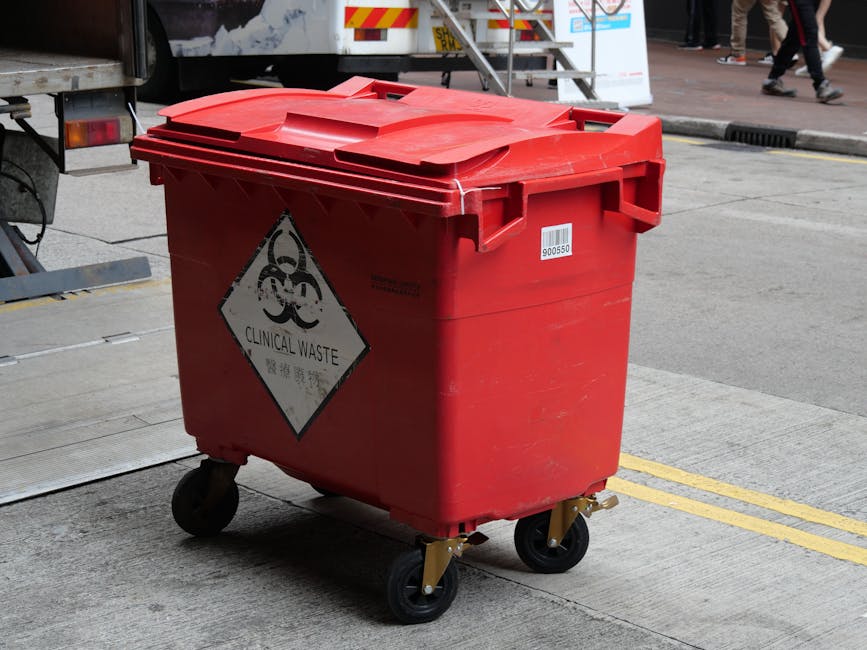
Disposing of hazardous waste in HA4: legal steps
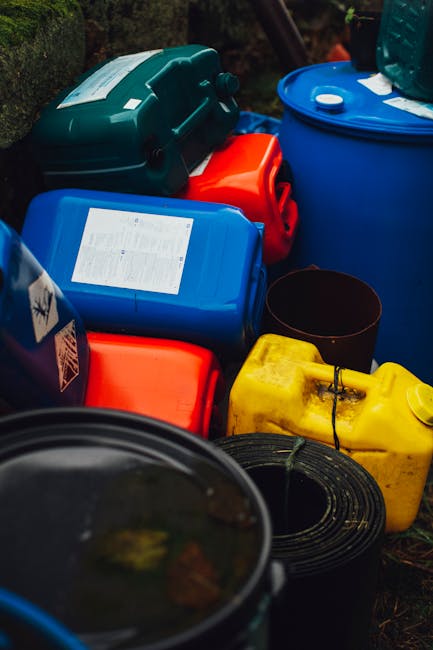
If you need to sort out batteries, paint, solvents, chemicals, fluorescent tubes, or other potentially dangerous materials, the last thing you want is guesswork. Disposing of hazardous waste in HA4: legal steps matters because the wrong move can create risk for people, property, and the environment - and, frankly, it can also create avoidable trouble for you later. This guide walks through the legal steps in plain English, with practical detail for households, landlords, offices, and tradespeople working in and around HA4.
There is a right way to do it. And once you know the order, it becomes much less intimidating.
Why Disposing of hazardous waste in HA4: legal steps Matters
Hazardous waste is not just "rubbish you should be careful with". It includes materials that can catch fire, leak, corrode, poison, irritate, or contaminate water and soil if they are handled badly. In HA4, as in the rest of the UK, the legal duty is to make sure these items are identified, stored safely, moved responsibly, and handed to an authorised waste route.
That sounds formal, but in practice it comes down to a simple idea: don't mix hazardous items with general waste, and don't pass them to someone who is not equipped to deal with them. A paint tin shoved into a normal bin may seem harmless for a day or two. Then the bin is lifted, crushed, and the mess spreads. Not ideal. Not legal. Not clever either.
For homes, the risk is usually accidental contamination or injury. For businesses, the risk is bigger: duty of care, audit trails, storage obligations, and the possibility of enforcement if waste is mishandled. If you are managing a move, clear-out, or renovation, this is also where good planning saves time. A lot of time, actually.
One useful way to think about it is this: legal disposal is not about being overcautious. It is about preventing a small, cheap mistake from turning into a safety incident, a complaint, or a pickup refusal.
Expert summary: The safest approach is to identify hazardous items early, separate them from ordinary waste, store them securely, and use an authorised disposal route with clear records where required. If you are unsure, treat the item as hazardous until confirmed otherwise.
How Disposing of hazardous waste in HA4: legal steps Works
The disposal process is usually more orderly than people expect. You do not need to become a waste specialist overnight. You do, however, need to follow a sensible sequence.
First, identify what you have. Some items are obvious: paint, oils, cleaners, pesticides, aerosols, bleach-based products, batteries, broken fluorescent tubes, and certain electrical items with hazardous components. Others are less obvious, such as leftover construction chemicals, adhesives, clinical sharps, or business materials contaminated with oils or solvents. If an item can harm people or the environment, it deserves proper handling.
Next, separate it. Keep hazardous waste apart from household recycling, food waste, and ordinary rubbish. A single contaminated bag can spoil the lot, and once that happens, the whole load becomes harder and more expensive to deal with.
Then, store it safely. That means keeping containers sealed, upright where possible, labelled, and away from heat, children, pets, or anything that could react. If a container is damaged, overfilling it is never a smart move. Better to secure it and plan removal than improvise in the kitchen at 9 p.m. with an old funnel and a prayer.
Finally, use the correct collection or disposal route. Depending on the item and who owns it, that may mean a council collection, a licensed waste contractor, a specialist hazardous waste facility, or a business waste arrangement. For people moving home or clearing a property, it often helps to combine this with a wider removal plan through a trusted local service such as removal services or, for larger jobs, movers who can help separate what goes where before the van even leaves.
In real life, the process is less about paperwork for its own sake and more about proof. If something goes wrong, you want to be able to show that you handled the waste properly. That is what the legal steps are for.
Key Benefits and Practical Advantages
Following the correct steps is not just about avoiding trouble. It makes the job smoother, safer, and often cheaper in the long run.
- Reduced safety risk: fewer leaks, spills, fumes, and accidental exposures.
- Cleaner property handover: useful when moving out, selling, renting, or renovating.
- Better compliance: particularly important for landlords, contractors, and businesses with ongoing waste duties.
- Less contamination: hazardous items do not ruin recycling or general waste loads.
- More predictable costs: proper sorting helps avoid last-minute surcharges or rejected collections.
- Peace of mind: you know the job has been handled properly, not just hidden away.
There is also a less obvious benefit: better planning. Once you start separating hazardous waste from furniture, paper, and general clutter, the whole project becomes clearer. If you are already arranging a larger clear-out, it may be worth looking at related support like furniture pick up or even broader removals support so the hazardous items are managed alongside the rest of the load without confusion.
That kind of structure saves energy. And on a busy week, energy is no small thing.
Who This Is For and When It Makes Sense
This topic matters to a surprisingly wide group of people. In HA4, the most common situations tend to be tied to home clearances, trade work, office changes, and end-of-tenancy turnover.
- Households: old paint, cleaning products, garden chemicals, batteries, DIY leftovers, broken bulbs.
- Landlords and letting agents: abandoned chemicals, aerosols, bleach, DIY debris, contaminated soft goods.
- Tradespeople: solvents, adhesives, sealants, oily rags, treated materials, packaging with residue.
- Offices: toner, batteries, wipes, cleaning agents, and electrical equipment with hazardous components.
- Small businesses: storage units, stockrooms, maintenance cupboards, back-of-house waste.
It also makes sense whenever you are already moving things out. That is the moment when people discover the odd bottle at the back of a cupboard or the dusty tin behind the boiler. If you are organising a larger move and need a careful, tidy approach, a local man with van or man and van arrangement can be useful for the non-hazardous side of the job while hazardous items are separated for proper handling.
Truth be told, the biggest mistake is assuming "someone else will sort it later". Later has a habit of turning into never.
Step-by-Step Guidance
Below is the practical sequence most people should follow. It is deliberately simple, because a simple system is easier to stick to under pressure.
- Identify the item. Read the label, check the packaging, and look for warning symbols or strong odours, leaks, pressure, powder residue, or corrosion.
- Separate it from all other waste. Keep hazardous items in one area so they are not mixed with recyclables or general rubbish.
- Check whether it is household or business waste. This matters because business waste often has stricter handling, documentation, and collection expectations.
- Keep it sealed and stable. Use the original container if possible. Do not decant unless you are following a proper, safe process.
- Label anything unclear. If a container has lost its label, note what you believe it is and when you found it. That small note can help later.
- Store it securely. Away from heat sources, sunlight, drains, children, and pets. A garage shelf is often better than a hallway corner.
- Choose the disposal route. Depending on the item, this may be a council service, a licensed waste contractor, or a specialist collection.
- Keep evidence where needed. For business waste especially, retain records, transfer notes, or collection documentation if supplied.
- Check the final handover. Make sure the person collecting or receiving it is actually authorised to take that waste type.
If you are clearing a property fast, a practical tip is to make two boxes and one bag: one for ordinary donation or reuse, one for hazardous waste, and one for general rubbish. It sounds basic, but basic is exactly what keeps a room from becoming chaos by lunchtime.
If you need help moving non-hazardous contents at the same time, it can be sensible to coordinate with man with van removal or the broader removal company options on the site so the logistics do not get tangled up.
Expert Tips for Better Results
Here are the little things that make a very real difference. The sort of things you only notice once you have seen a few messy clear-outs.
- Do a cupboard check before moving day. Kitchens, bathrooms, sheds, under-sink units, and boiler cupboards tend to hide the interesting stuff.
- Keep batteries and bulbs separate. They are easy to collect in one box, but they should still be stored sensibly and not crushed.
- Do not mix liquids. Even items that seem similar can react badly. Separate containers are safer.
- Photograph unclear items. A quick picture can help you remember what was found and where.
- Plan hazardous waste first, not last. If you leave it until the end, it is more likely to be rushed or forgotten.
- Use sturdy boxes and trays. One small leak can soak through thin packaging, and then you have a second problem.
In our experience, people are often most careful with the big stuff and least careful with the small stuff. A tiny leaking bottle of cleaner can create more hassle than a heavy chair. Funny how that works.
If a property is being emptied completely, it may also help to review the company's approach to safety and handling before booking. Pages like health and safety policy and insurance and safety can be useful for understanding how a provider thinks about risk, even when the hazardous waste itself still needs its own proper disposal route.
Common Mistakes to Avoid
Most problems come from trying to save a bit of time. That is usually where things go sideways.
- Throwing hazardous items into normal bins. This is one of the quickest ways to contaminate a waste load.
- Leaving containers open or half-sealed. Vapours, spills, and breakage become much more likely.
- Assuming all cleaning products are safe. Some are perfectly harmless in normal use, while others are not.
- Mixing unknown liquids. Not recommended, ever.
- Ignoring old labels or faded warnings. If you cannot clearly identify it, treat it carefully.
- Using an unverified disposal route. If someone is willing to take it, that does not mean they are authorised to do so.
- Waiting until the day of the move. That creates rushed decisions and poor sorting.
A lot of these mistakes happen in ordinary homes, not just workplaces. Someone finds an old tin, thinks "I'll sort that later", and then later arrives with a skip already full. The item never gets a proper decision. That is the pattern to break.
Tools, Resources and Recommendations
You do not need a huge toolkit, but a few practical items help a lot.
| Tool or item | Why it helps | Best use |
|---|---|---|
| Sturdy sealable boxes | Contain leaks and prevent crushing | Batteries, bulbs, small containers |
| Labels and marker pen | Identifies unclear items quickly | Loose or unlabelled containers |
| Gloves | Basic protection for handling unknown residue | Initial sorting only |
| Plastic tray or tub | Catches minor drips | Liquids, sprays, and cleaning products |
| Camera on your phone | Records labels and contents | Unclear or mixed waste |
For organisations, a written waste log is useful, even if it is just a simple spreadsheet with item type, date, and disposal route. For households, a quick list on paper can be enough. The goal is not bureaucracy for its own sake. It is clarity.
If your project involves clearing a flat, office, or storage room, useful supporting pages on the site include office removals, office relocation services, and home moves for the wider move itself. That way, hazardous items are handled separately while everything else stays organised.
Law, Compliance, Standards, or Best Practice
When people ask about the legal steps, they usually want the short version: what do I actually need to do to stay on the right side of the rules? The answer, in plain English, is to store hazardous waste safely, prevent mixing or escape, and pass it to a suitable authorised route with enough documentation for the type of waste involved.
For households, the main concern is safe, lawful disposal through the proper collection or facility. For businesses, the duty is broader. You are generally expected to take reasonable steps to ensure the waste is handled correctly, transferred responsibly, and traceable. The exact paperwork can vary depending on the waste stream and whether it is hazardous waste, but the principle stays the same: be able to show what left the property, when, and where it went.
Best practice also means not over-storing hazardous waste. Holding on to it for months because "we'll deal with it next quarter" is a bad habit. The longer it sits, the greater the chance of breakage, confusion, or an incident during a rush.
A few practical compliance habits are worth keeping:
- keep hazardous waste segregated from general waste;
- store it in suitable condition and container types;
- avoid unidentified mixing;
- use a proper collection or disposal route;
- retain records when they are part of the duty;
- brief anyone helping with the move so they do not improvise.
If you are unsure whether an item falls into hazardous waste, do not gamble on it. Treat it cautiously, document it, and ask the collection provider or disposal service to confirm the route before anything is moved. It saves embarrassment later, and more importantly, it keeps people safer.
Options, Methods, or Comparison Table
There is no single "best" route for every item. The right choice depends on what the waste is, how much there is, and whether the waste comes from a home or a business.
| Method | Best for | Pros | Watch out for |
|---|---|---|---|
| Local collection service | Smaller domestic quantities | Convenient, straightforward | Availability and item limits may vary |
| Specialist contractor | Business waste, larger or mixed loads | More suitable for compliance and records | Needs proper scheduling and clear item list |
| Dedicated facility drop-off | People who can transport items safely | Direct handover, good for sorted waste | You must transport it lawfully and safely |
| Integrated removal support | Moves or clearances with mixed contents | Keeps the wider project organised | Hazardous items still need separate handling |
For many readers, the sensible route is a mixed one: use removal support for the bulk of the contents, and keep hazardous items in a separate, clearly marked box for the correct disposal channel. That approach is often calmer and quicker than trying to force everything into one system.
Case Study or Real-World Example
Here is a realistic example from a typical HA4-style clearance job. A couple were moving out of a rented property and discovered a garage shelf full of old paint, half-used sealant tubes, a few batteries, a broken light fitting, and a bottle of garden chemical with a faded label. At first glance it looked like a small job. Then they realised that some containers were leaking slightly and one box had been sitting near a heater.
Instead of bagging everything together, they split the items into categories, sealed the lids, photographed the labels, and moved the hazardous items to a cool, secure spot away from the rest of the move. The general household contents were handled separately through a broader clearance plan, while the hazardous items were directed to the proper disposal route.
The result was simple: no contamination of the removal load, no last-minute panic, and no awkward discovery the morning of handover. More importantly, there was no need to sort through a mixed pile of mystery containers once the van was already packed. If you have ever stood in a half-empty room with a roll of tape and one stubborn bin bag, you will appreciate how much that matters.
That sort of planning is also helpful for larger jobs involving house removals or a more tailored man and van removals arrangement, where the goal is to keep the moving day tidy and avoid awkward delays.
Practical Checklist
Use this checklist before anything leaves the property.
- Have I identified every item that may be hazardous?
- Are all containers sealed and stable?
- Have I kept hazardous waste separate from general rubbish and recycling?
- Do I know whether the waste is domestic or business-related?
- Have I checked for leaks, cracks, corrosion, or strong fumes?
- Have I labelled any unknown or faded containers?
- Is the storage area dry, cool, and away from children or pets?
- Do I have the right disposal route lined up?
- Have I arranged transport safely, if transport is needed?
- Have I kept a note or photo record of the items?
If you can tick all ten, you are in a much better place. If not, pause and tidy up the process before moving forward. No drama, just order.
Get a free quote today and see how much you can save.
Conclusion
Disposing of hazardous waste in HA4: legal steps is really about doing the sensible thing in the right order. Identify the item, separate it, store it safely, and pass it to an authorised disposal route with the right level of care. That is the heart of it. Not glamorous, maybe, but extremely effective.
If you are managing a move, clear-out, or office change, the best results usually come from treating hazardous waste as its own mini-project rather than an afterthought. Once it is separated properly, the rest of the job becomes easier, safer, and less stressful. And that is the kind of relief people remember.
Small decisions matter here. Get them right, and the whole day feels lighter.
Frequently Asked Questions
What counts as hazardous waste in a home?
Typical household hazardous waste includes paint, solvents, aerosols, batteries, fluorescent tubes, pesticides, strong cleaners, and certain DIY or gardening chemicals. If it can irritate, poison, corrode, or catch fire, treat it carefully.
Can I put hazardous waste in my normal bin?
No, not if it is genuinely hazardous. Mixing it with general waste can create safety risks and contamination problems. It should be separated and sent through the proper disposal route.
Do I need paperwork for hazardous waste at home?
Usually the paperwork burden is lighter for households than for businesses, but you should still keep a note of what you disposed of and how. For business waste, documentation is often much more important.
How should I store hazardous waste before collection?
Keep it sealed, upright where possible, labelled if needed, and away from heat, children, pets, and drains. A cool, dry, secure place is best.
What should I do if a container is leaking?
Do not mix it with other waste. Isolate it, avoid direct contact, and place it in a secondary container or tray if safe to do so. If you are unsure, treat it as higher risk and arrange advice before moving it again.
Can a removal team take hazardous waste with the rest of my items?
They can move the non-hazardous parts of a job, but hazardous waste must still be handled through the correct route. It is better to separate it before the van is loaded so nothing gets mixed by mistake.
Is old paint always hazardous?
Not always in the same way, but leftover paint should still be treated cautiously. Some types contain solvents or other ingredients that need proper handling. If in doubt, keep it separate and check the correct disposal route.
What happens if hazardous waste is mixed with general rubbish?
The load may be rejected, contaminated, or require extra handling. In the worst cases, it can create a fire, leak, or exposure risk during collection and processing.
How long can I keep hazardous waste at home or at a business?
There is no sensible benefit to holding it longer than necessary. Keep it only as long as needed to store it safely and arrange lawful disposal. The longer it sits, the more likely something goes wrong.
Should I label unmarked containers?
Yes, if you can do so safely and honestly. Write down what you believe the item is and where it came from. That makes the handover easier and reduces confusion later.
What is the safest approach if I am not sure whether an item is hazardous?
Treat it cautiously and separate it from normal waste until confirmed otherwise. That simple habit prevents a lot of avoidable mistakes.
Can I combine hazardous waste disposal with a bigger clearance or move?
Yes, that is often the smartest way to stay organised. Use removal support for the general contents, and keep hazardous items separate so they can be handled properly without slowing everything down.